


Are vegetable capsules FDA-approved? This is a question that many consumers, healthcare professionals, and supplement manufacturers often ask. As a supplier of vegetable capsules, I am frequently approached with inquiries regarding the regulatory status of these products. In this blog post, I will delve into the topic of FDA approval for vegetable capsules, providing you with a comprehensive understanding of the regulatory landscape.
Understanding the FDA and Its Role
The U.S. Food and Drug Administration (FDA) is a federal agency responsible for protecting public health by ensuring the safety, efficacy, and security of human and veterinary drugs, biological products, medical devices, our nation's food supply, cosmetics, and products that emit radiation. When it comes to dietary supplements, including the capsules used to encapsulate them, the FDA has specific regulations in place.
Dietary Supplements and Capsules
Dietary supplements are defined by the Dietary Supplement Health and Education Act (DSHEA) of 1994. According to DSHEA, a dietary supplement is a product (other than tobacco) that is intended to supplement the diet and contains one or more dietary ingredients, such as vitamins, minerals, herbs or other botanicals, amino acids, and other substances or their constituents. Capsules used to hold these dietary ingredients are considered part of the supplement product.
FDA Approval Process for Vegetable Capsules
Unlike pharmaceutical drugs, which require pre-market approval from the FDA, dietary supplements and their components, including vegetable capsules, do not undergo the same rigorous pre-market review process. Instead, the FDA regulates dietary supplements under a different set of rules.
Manufacturers of dietary supplements, including those using vegetable capsules, are responsible for ensuring that their products are safe and that any claims made about them are truthful and not misleading. They must also follow Good Manufacturing Practices (GMPs), which are regulations that ensure the identity, purity, strength, and composition of dietary supplements.
Vegetable Capsules and GMP Compliance
Vegetable capsules, such as Empty Herbal Capsule, HPMC Veg Capsule, and Coloured Veggie Capsules, are subject to GMP regulations. These regulations cover all aspects of the manufacturing process, from the sourcing of raw materials to the packaging and labeling of the final product.

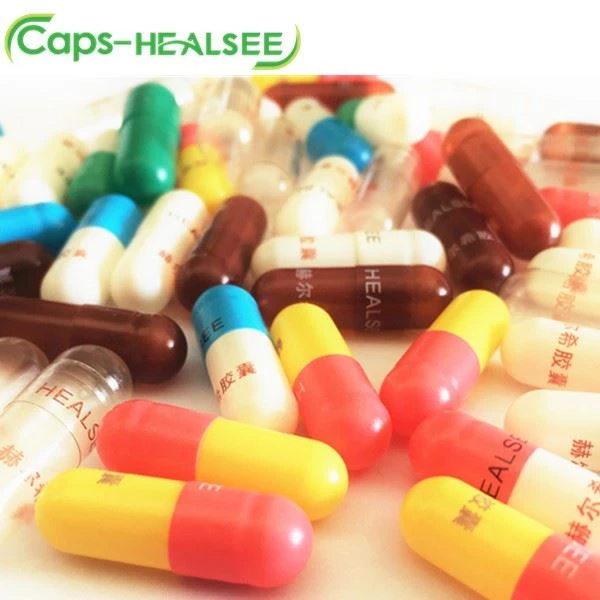
For vegetable capsules, this means that manufacturers must ensure that the raw materials used to make the capsules are of high quality and free from contaminants. They must also have proper controls in place to prevent cross-contamination during the manufacturing process. Additionally, the capsules must be labeled accurately, indicating the type of capsule, its ingredients, and any relevant warnings or instructions.
Safety of Vegetable Capsules
Vegetable capsules are generally considered safe for use in dietary supplements. They are typically made from natural materials, such as hydroxypropyl methylcellulose (HPMC) or pullulan, which are derived from plants. These materials are widely used in the food and pharmaceutical industries and have a long history of safe use.
However, as with any product, there is always a potential for allergic reactions or other adverse effects. It is important for consumers to read the labels of dietary supplements carefully and to consult with a healthcare professional if they have any concerns about the safety of a particular product or its components.
FDA Post-Market Surveillance
Although vegetable capsules do not require pre-market approval from the FDA, the agency does conduct post-market surveillance to ensure that dietary supplements and their components are safe and compliant with regulations. This includes monitoring for reports of adverse events, such as allergic reactions or other health problems, associated with the use of dietary supplements.
If the FDA receives reports of safety issues or other violations of regulations, it may take action against the manufacturer, such as issuing warning letters, seizing products, or initiating legal proceedings.
Benefits of Using Vegetable Capsules
There are several benefits to using vegetable capsules in dietary supplements. One of the main advantages is that they are suitable for vegetarians and vegans, as they are made from plant-based materials. This makes them a popular choice for consumers who follow a plant-based diet or have ethical concerns about using animal-derived products.
Vegetable capsules also offer other benefits, such as better dissolution and absorption compared to some traditional gelatin capsules. They are also more stable at high temperatures and humidity, which can help to preserve the integrity of the dietary ingredients inside the capsule.
Conclusion
In conclusion, while vegetable capsules do not require pre-market approval from the FDA, they are subject to strict regulations under the Dietary Supplement Health and Education Act and Good Manufacturing Practices. As a supplier of vegetable capsules, we are committed to ensuring that our products meet the highest standards of quality and safety.
If you are a supplement manufacturer or a healthcare professional interested in using vegetable capsules in your products, I encourage you to contact us to discuss your specific needs. We offer a wide range of vegetable capsules, including Empty Herbal Capsule, HPMC Veg Capsule, and Coloured Veggie Capsules, and we are happy to work with you to find the best solution for your business.
References
- Dietary Supplement Health and Education Act (DSHEA) of 1994
- Code of Federal Regulations (CFR) Title 21, Part 111 - Current Good Manufacturing Practice in Manufacturing, Packing, or Holding Dietary Supplements
- U.S. Food and Drug Administration (FDA) - Dietary Supplements


