


Vegetable capsules have gained significant popularity in recent years, driven by factors such as the increasing demand for plant - based products, religious and dietary restrictions, and concerns about the source of gelatin. As a vegetable capsule supplier, I am often asked about the differences between vegetable capsules and gelatin capsules, particularly in terms of their moisture absorption rates. This blog post aims to explore this topic in detail, providing scientific insights and practical implications for consumers and manufacturers.
Understanding Capsule Materials
Gelatin capsules are made from animal by - products, typically collagen extracted from the skin, bones, and connective tissues of cows, pigs, or fish. Gelatin is a well - established and widely used encapsulation material due to its excellent film - forming properties, flexibility, and compatibility with a wide range of active ingredients.
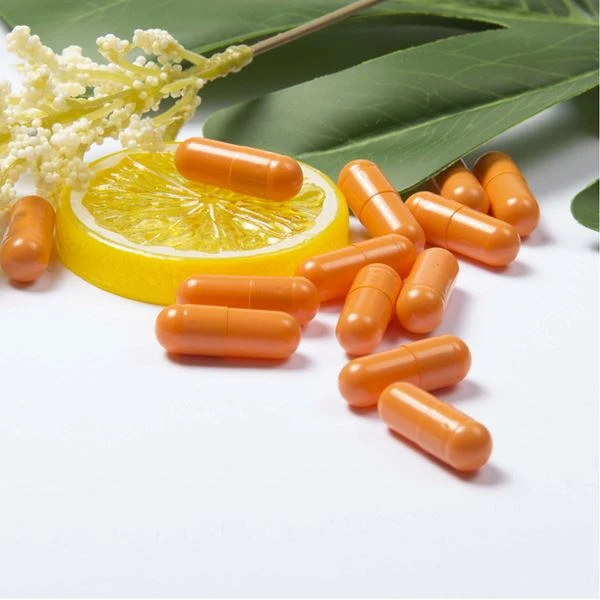
On the other hand, vegetable capsules are derived from plant sources. The most common types of vegetable capsules are made from hypromellose (HPMC), a cellulose - based polymer, or pullulan, a polysaccharide produced by fermentation. These materials offer several advantages, including being suitable for vegetarians, vegans, and those with religious dietary restrictions such as Halal and Kosher. For more information on our Hard Capsules, Halal Empty Veggie Capsules, and Vegan Capsules, please visit our website.
Moisture Absorption: A Key Consideration
Moisture absorption is a critical factor in capsule technology. Excessive moisture can lead to capsule deformation, sticking, and degradation of the encapsulated ingredients. It can also affect the stability and shelf - life of the product. Therefore, understanding the moisture absorption characteristics of different capsule materials is essential for ensuring product quality and performance.
Gelatin Capsules and Moisture
Gelatin capsules have a relatively high affinity for water. The protein structure of gelatin contains hydrophilic groups that can attract and bind water molecules. At normal ambient conditions (around 20 - 25°C and 40 - 60% relative humidity), gelatin capsules can absorb a significant amount of moisture. This absorption can cause the capsules to become soft and sticky, which may lead to problems during handling, storage, and use.
Moreover, the moisture content in gelatin capsules can affect the release profile of the encapsulated drugs. High moisture levels can accelerate the dissolution of the capsule shell, potentially altering the intended drug release kinetics. This is particularly important for controlled - release formulations, where precise control of drug release is crucial.
Vegetable Capsules and Moisture
Vegetable capsules, especially those made from HPMC, generally have a lower moisture absorption rate compared to gelatin capsules. HPMC is a hydrophobic polymer, which means it has a natural resistance to water. As a result, HPMC capsules tend to absorb less moisture under normal environmental conditions.
This lower moisture absorption property offers several advantages. Firstly, it improves the stability of the capsule during storage. Vegetable capsules are less likely to stick together or deform due to moisture uptake, which makes them easier to handle and package. Secondly, it can enhance the stability of the encapsulated ingredients. Since the capsule shell is less likely to absorb moisture, the active ingredients are better protected from moisture - induced degradation.
Pullulan - based vegetable capsules also exhibit favorable moisture absorption characteristics. Pullulan has a relatively low hygroscopicity, which helps maintain the integrity of the capsule and the stability of the contents.

Scientific Studies on Moisture Absorption
Numerous scientific studies have been conducted to compare the moisture absorption rates of vegetable and gelatin capsules. For example, a study published in the Journal of Pharmaceutical Sciences investigated the moisture sorption isotherms of HPMC and gelatin capsules. The results showed that HPMC capsules had a lower equilibrium moisture content at various relative humidity levels compared to gelatin capsules.
Another study in the International Journal of Pharmaceutics examined the effect of moisture on the mechanical properties of different capsule materials. It found that gelatin capsules were more sensitive to moisture - induced changes in mechanical strength, while vegetable capsules maintained better mechanical integrity over a wider range of moisture conditions.
Practical Implications for Manufacturers and Consumers
For manufacturers, the difference in moisture absorption rates between vegetable and gelatin capsules has significant implications for product formulation, packaging, and storage. When formulating a product, manufacturers need to consider the moisture sensitivity of the active ingredients and choose the appropriate capsule material accordingly. If the active ingredient is sensitive to moisture, vegetable capsules may be a better choice due to their lower moisture absorption.
In terms of packaging, manufacturers may need to use different packaging materials and techniques for vegetable and gelatin capsules. Gelatin capsules may require moisture - resistant packaging, such as blister packs with desiccants, to protect them from moisture. Vegetable capsules, on the other hand, may be more forgiving in terms of packaging requirements, although proper packaging is still essential to ensure product quality.
For consumers, the lower moisture absorption of vegetable capsules means better product stability and longer shelf - life. Vegetable capsules are less likely to develop problems such as sticking or deformation during storage, which can enhance the overall user experience.
Conclusion
In conclusion, vegetable capsules generally have a different and often lower moisture absorption rate than gelatin capsules. This difference is due to the inherent properties of the materials used to make the capsules. The lower moisture absorption of vegetable capsules offers several advantages, including improved stability, better mechanical integrity, and enhanced protection of the encapsulated ingredients.
As a vegetable capsule supplier, we are committed to providing high - quality products that meet the needs of our customers. Our vegetable capsules are carefully formulated and manufactured to ensure optimal performance and stability. Whether you are a pharmaceutical manufacturer, a nutraceutical company, or a consumer looking for plant - based capsule options, we can offer you the right solution.
If you are interested in learning more about our vegetable capsules or would like to discuss your specific requirements, please do not hesitate to contact us. We look forward to working with you to meet your encapsulation needs.
References
- Journal of Pharmaceutical Sciences. Comparison of moisture sorption isotherms of HPMC and gelatin capsules.
- International Journal of Pharmaceutics. Effect of moisture on the mechanical properties of different capsule materials.


