


As a leading supplier of vegetable capsules, I often receive inquiries from clients about the performance of our products in various environmental conditions. One question that frequently comes up is whether vegetable capsules work well in cold environments. In this blog post, I will delve into this topic, explore the science behind vegetable capsules, and discuss their performance in cold conditions.
Understanding Vegetable Capsules
Vegetable capsules, also known as vegan capsules, are a popular alternative to gelatin capsules. They are made from natural cellulose materials, such as hydroxypropyl methylcellulose (HPMC), which is derived from plant fibers. This makes them suitable for vegetarians, vegans, and those with religious or dietary restrictions that prohibit the consumption of animal products.
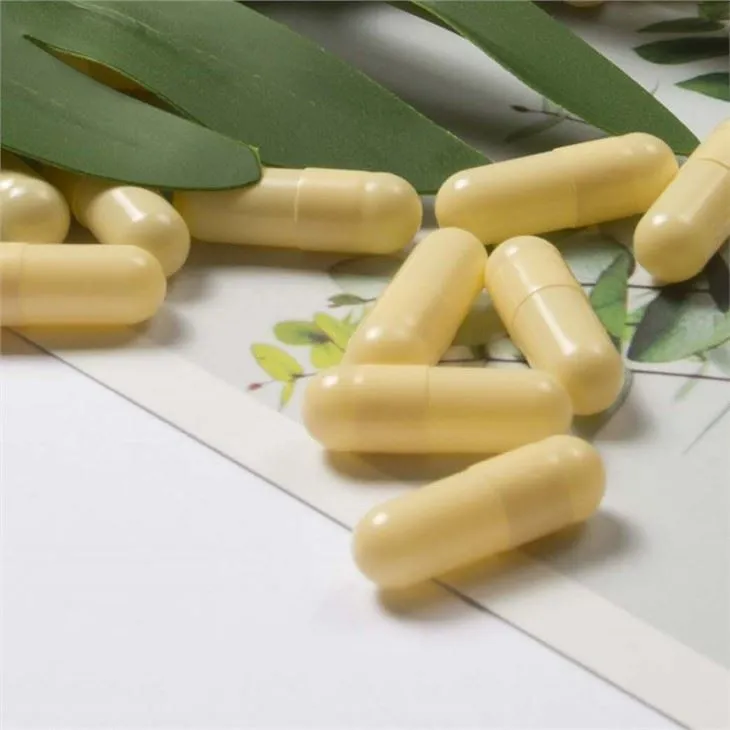

One of the key advantages of vegetable capsules is their stability. Unlike gelatin capsules, which can be affected by temperature, humidity, and other environmental factors, vegetable capsules are more resistant to these changes. They have a lower moisture content and are less likely to swell, shrink, or become brittle under normal storage conditions.
How Cold Environments Affect Capsules
Cold environments can have several effects on capsules, whether they are made from vegetable or gelatin materials. The primary concern is the potential for the capsules to become brittle and crack. This can happen when the temperature drops below the glass transition temperature (Tg) of the capsule material. The Tg is the temperature at which a material changes from a rubbery, flexible state to a glassy, brittle state.
In addition to brittleness, cold temperatures can also cause the capsule shell to contract. This can lead to problems with capsule filling and sealing, as the capsule may not fit properly around the contents. It can also affect the dissolution rate of the capsule, as the contracted shell may take longer to break down in the digestive system.
Performance of Vegetable Capsules in Cold Environments
Research has shown that vegetable capsules generally perform well in cold environments. The cellulose-based materials used in vegetable capsules have a higher glass transition temperature compared to gelatin, which means they are less likely to become brittle at lower temperatures. This makes them more suitable for storage and transportation in cold climates.
Moreover, vegetable capsules have a lower moisture sensitivity than gelatin capsules. Cold environments tend to be drier, which can cause gelatin capsules to lose moisture and become brittle. Vegetable capsules, on the other hand, are less affected by changes in humidity, which helps to maintain their integrity in cold and dry conditions.
However, it is important to note that extreme cold can still pose challenges for vegetable capsules. If the temperature drops significantly below freezing, even vegetable capsules may become brittle and crack. To prevent this, it is recommended to store and transport vegetable capsules in a climate-controlled environment whenever possible.
Tips for Using Vegetable Capsules in Cold Environments
If you need to use vegetable capsules in a cold environment, here are some tips to ensure their optimal performance:
Storage
- Store vegetable capsules in a cool, dry place. Avoid storing them in areas where the temperature fluctuates frequently, such as near windows or heating vents.
- If possible, store the capsules in a climate-controlled room or a refrigerator set at a temperature between 2°C and 8°C. This will help to maintain their stability and prevent brittleness.
Transportation
- When shipping vegetable capsules in cold weather, use insulated packaging to protect them from extreme temperatures. Consider using cold packs or gel packs to maintain a stable temperature during transit.
- If the capsules are being transported by air, check with the airline to ensure that they will be stored in a temperature-controlled environment during the flight.
Handling
- When handling vegetable capsules in cold conditions, allow them to come to room temperature before opening the packaging. This will help to prevent condensation from forming inside the bottle, which can affect the quality of the capsules.
- Avoid exposing the capsules to direct sunlight or other sources of heat, as this can cause them to soften and become damaged.
Our Vegetable Capsule Products
At our company, we offer a wide range of vegetable capsules to meet the needs of our customers. Our Empty Medicine Capsules are available in various sizes and colors, making them suitable for a variety of applications. We also offer Empty Vegan Capsules that are specifically designed for use in vegan and vegetarian products.
One of our popular products is the Size 0 Swedish Orange Capsule. This capsule is made from high-quality HPMC material and has a bright orange color that makes it easy to identify. It is suitable for use in pharmaceutical, nutraceutical, and cosmetic applications.
Conclusion
In conclusion, vegetable capsules generally work well in cold environments. Their cellulose-based materials are more resistant to temperature and humidity changes compared to gelatin capsules, which makes them less likely to become brittle or damaged in cold conditions. However, extreme cold can still pose challenges, and it is important to take proper precautions to ensure the optimal performance of the capsules.
If you are interested in purchasing vegetable capsules for your business, please feel free to contact us. We would be happy to discuss your specific requirements and provide you with a quote. Our team of experts is available to answer any questions you may have and to help you find the right solution for your needs.
References
- Gennaro, A. R. (Ed.). (2000). Remington: The Science and Practice of Pharmacy. Lippincott Williams & Wilkins.
- Ghosh, P. K., & Porter, S. C. (2002). The Theory and Practice of Industrial Pharmacy. Informa Healthcare.
- Rowe, R. C., Sheskey, P. J., & Quinn, M. E. (Eds.). (2009). Handbook of Pharmaceutical Excipients. Pharmaceutical Press.


