


Hey there! As a supplier of vegetable capsules, I often get asked about what the packaging of these capsules usually looks like. So, I thought I'd take a moment to share some insights on this topic.
First off, let's talk about why packaging matters. The packaging of vegetable capsules isn't just about making them look nice on the shelf. It plays a crucial role in protecting the capsules from damage, maintaining their quality, and providing important information to the end - users.
Types of Packaging
Bottles
One of the most common types of packaging for vegetable capsules is bottles. These are typically made of plastic, like high - density polyethylene (HDPE). Plastic bottles are lightweight, shatter - resistant, and cost - effective. They come in various sizes, from small travel - sized bottles that can hold a few dozen capsules to large ones that can store hundreds.
The caps of these bottles are also important. Many come with child - resistant closures, which is a must - have for products that could potentially be harmful if ingested by children. Some bottles also have induction seals. This is a thin metal or plastic layer that is heat - sealed to the bottle opening. It provides an extra layer of protection against moisture, oxygen, and contaminants, and it also gives consumers an indication that the product is fresh and hasn't been tampered with.
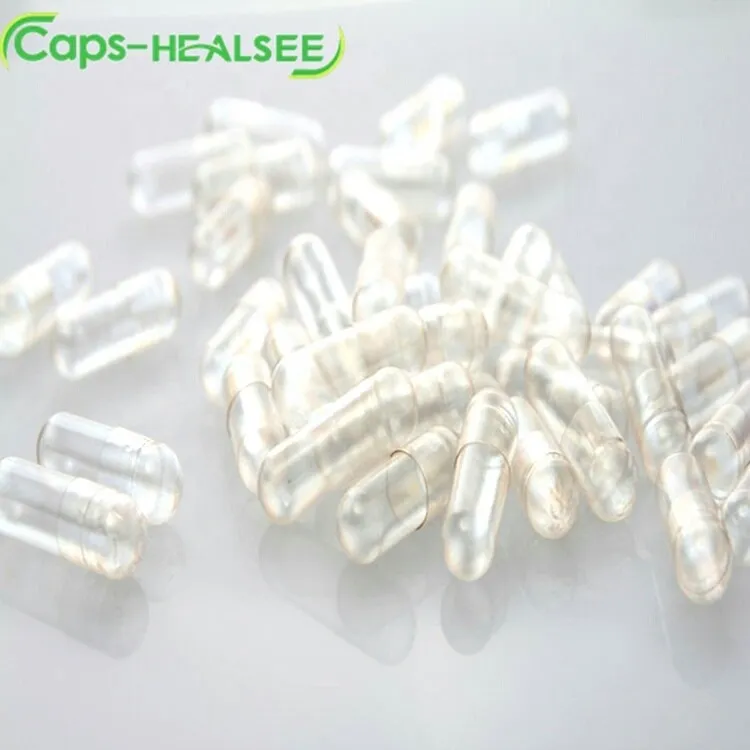

When it comes to labeling, bottles usually have a paper or plastic label wrapped around them. The label contains essential information such as the product name, the number of capsules inside, dosage instructions, ingredients, and any warnings. For example, if the capsules are Empty Medicine Capsules, the label will clearly state that they are for filling with medicine or supplements at home.
Blister Packs
Blister packs are another popular choice for packaging vegetable capsules. A blister pack consists of a plastic sheet with individual cavities for each capsule, covered by a foil or plastic backing. The capsules are placed in the cavities, and then the backing is sealed on top.
One of the main advantages of blister packs is that they offer excellent protection for the capsules. Each capsule is isolated from the others, which reduces the risk of damage during handling and transportation. They also provide a clear view of the capsules, so consumers can easily see what they're getting.
Blister packs are great for products with a specific dosage schedule. For instance, if a supplement needs to be taken once a day for a month, the blister pack can be designed with 30 individual compartments, making it easy for consumers to keep track of their intake. The packaging also usually includes information like the product name, dosage, and expiration date on the backing or on a separate insert. Vegan Capsule products are often packaged in blister packs to highlight their individual servings and the high - quality protection they offer.
Foil Pouches
Foil pouches are a more flexible option for packaging vegetable capsules. They are made of multiple layers of materials, usually including a layer of aluminum foil for barrier protection. Foil pouches are lightweight, which can reduce shipping costs, and they can be easily customized in terms of size and shape.
These pouches are very effective at blocking out light, moisture, and oxygen, which helps to preserve the quality of the capsules. They are often used for products that need to be kept fresh and stable, such as Halal Hard Vegetarian Capsules. The pouches can be resealable, which is convenient for consumers who want to use the capsules over a period of time.
The labeling on foil pouches is usually printed directly on the pouch itself. It includes all the necessary information, just like on bottles and blister packs. And because the pouches can be designed in different shapes, there's more room for creative and eye - catching labels.
Factors Influencing Packaging Design
Product Shelf Life
The shelf life of the vegetable capsules is a major factor in determining the packaging. If the capsules are sensitive to moisture, oxygen, or light, the packaging needs to provide a high level of protection. For example, if the capsules contain ingredients that can oxidize easily, a blister pack or a foil pouch with a good oxygen barrier would be a better choice than a simple plastic bottle.
Target Market
The target market also plays a role in packaging design. If the capsules are aimed at a health - conscious, on - the - go market, a small, portable blister pack or a travel - sized bottle might be more suitable. On the other hand, if the product is for home use and is intended to last for a long time, a larger bottle or a bulk foil pouch could be the way to go.
Regulatory Requirements
There are strict regulations regarding the packaging of pharmaceutical and supplement products. The packaging must comply with all relevant laws and standards. For example, it must have accurate labeling, and it must be safe for consumers. This means that the materials used in the packaging must be non - toxic and food - grade.
Our Packaging Solutions
As a supplier of vegetable capsules, we understand the importance of getting the packaging right. We offer a range of packaging options to meet the diverse needs of our customers. Whether you're looking for a simple bottle for your Vegan Capsule products or a high - end blister pack for a premium supplement, we've got you covered.
We work closely with our customers to design packaging that not only protects the capsules but also helps to promote the product. Our in - house design team can create custom labels and packaging designs that stand out on the shelves. We also ensure that all our packaging materials are of the highest quality and comply with all regulatory requirements.
If you're in the market for vegetable capsules and are interested in our packaging options, we'd love to hear from you. We can have a detailed discussion about your specific needs, whether it's the type of packaging, the labeling, or the quantity. Just reach out to us, and we'll start the conversation. Let's work together to get your product to the market with the best possible packaging.
References
- Packaging for Pharmaceuticals and Nutraceuticals: A Practical Guide. Publisher: Wiley - Blackwell.
- Handbook of Pharmaceutical Excipients. Editors: Raymond C. Rowe, Paul J. Sheskey, and Marian E. Quinn.


