


Hey there! As a supplier of vegetable capsules, I often get asked about the manufacturing cost of these nifty little things. So, I thought I'd break it down for you in this blog post.
First off, let's talk about what vegetable capsules are. They're an alternative to traditional gelatin capsules, made from plant-based materials. These capsules are super popular among vegetarians, vegans, and people with religious dietary restrictions. Plus, they have a bunch of other benefits like better stability and compatibility with different types of fillings.
Now, let's dig into the manufacturing cost. There are several factors that come into play when it comes to making vegetable capsules, and each one can have a big impact on the final price.
Raw Materials
The raw materials used to make vegetable capsules are a major cost factor. The most common material is hydroxypropyl methylcellulose (HPMC), which is derived from cellulose, a natural polymer found in plants. HPMC is a great choice because it's safe, stable, and widely available. However, the price of HPMC can vary depending on the quality and source.
Other raw materials that might be used include plasticizers, opacifiers, and colorants. These additives can enhance the properties of the capsules, but they also add to the cost. For example, using natural colorants instead of synthetic ones can be more expensive, but it might be worth it for some customers who are looking for a more natural product.
Manufacturing Process
The manufacturing process for vegetable capsules is also quite complex and can affect the cost. It typically involves several steps, including:
- Mixing: The raw materials are mixed together to form a homogeneous solution.
- Dipping: The solution is then dipped onto metal pins to form the capsule shells.
- Drying: The dipped pins are dried to remove the solvent and harden the capsules.
- Trimming: The excess material is trimmed off the capsules to give them a uniform shape.
- Inspection: The capsules are inspected for quality and any defective ones are removed.
Each of these steps requires specialized equipment and skilled labor, which adds to the overall cost. Additionally, the manufacturing process needs to be carefully controlled to ensure that the capsules meet the required standards and specifications.
Quality Control
Quality control is another important aspect of manufacturing vegetable capsules. The capsules need to be tested for various parameters, such as size, shape, weight, dissolution rate, and microbial contamination. This ensures that the capsules are safe and effective for use.
Quality control involves using advanced testing equipment and techniques, which can be expensive. Moreover, any non-conforming products need to be discarded, which also adds to the cost.
Packaging
Once the capsules are manufactured and tested, they need to be packaged properly to protect them from damage and contamination. The packaging materials, such as bottles, blister packs, or sachets, can vary in cost depending on the type and quality.
In addition to the packaging materials, the packaging process itself also requires equipment and labor. For example, filling the capsules into bottles or blister packs needs automated machinery, which can be a significant investment.
Economies of Scale
One thing to keep in mind is that the manufacturing cost of vegetable capsules can be influenced by economies of scale. Generally speaking, the more capsules you produce, the lower the cost per unit. This is because the fixed costs, such as the cost of equipment and labor, can be spread over a larger number of units.
So, if you're a large customer who needs a high volume of vegetable capsules, you might be able to negotiate a better price. On the other hand, if you're a small customer with a low order quantity, the cost per capsule might be higher.
Examples of Our Products
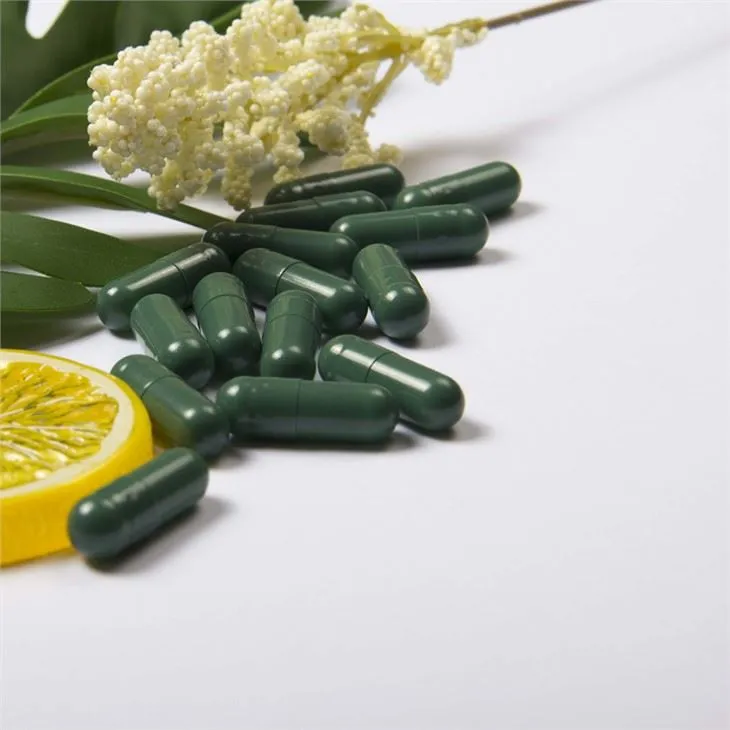
At our company, we offer a range of high-quality vegetable capsules. For instance, we have the Plant-based Capsule Shell, which is made from premium HPMC and has excellent stability and compatibility. We also have the Red White HPMC Vegetable Capsules, which are not only functional but also visually appealing. And our Green Hard Vegetable Capsules are a great option for those looking for a natural and eco-friendly choice.
Conclusion
So, as you can see, the manufacturing cost of vegetable capsules is influenced by a variety of factors, including raw materials, manufacturing process, quality control, packaging, and economies of scale. While the cost might seem high at first glance, it's important to remember that you're paying for a high-quality, safe, and natural product.
If you're interested in purchasing vegetable capsules for your business, I'd love to have a chat with you. We can discuss your specific requirements and see how we can work together to provide you with the best solution at a competitive price. Just reach out to us, and we'll be happy to assist you.
References
- "Vegetable Capsules: An Overview of Manufacturing and Applications" - Journal of Pharmaceutical Sciences
- "Cost Analysis of Capsule Manufacturing" - Pharmaceutical Technology Magazine


