


Hey there! As a supplier of vegetable capsules, I often get asked about the sources of raw materials for these capsules. So, I thought I'd write this blog to share some insights on this topic.
1. Hydroxypropyl Methylcellulose (HPMC)
One of the most common raw materials for vegetable capsules is Hydroxypropyl Methylcellulose, or HPMC for short. HPMC is a semi - synthetic, inert, viscoelastic polymer. It's derived from cellulose, which is a natural polymer found in the cell walls of plants.
Source of Cellulose
The cellulose used to make HPMC usually comes from wood pulp or cotton linters. Wood pulp is obtained from softwood trees like spruce, pine, and fir. These trees are sustainably harvested in many forests around the world. The pulp is then processed to isolate the cellulose.
Cotton linters, on the other hand, are the short fibers that remain on the cottonseed after ginning. Since cotton is a widely grown crop, cotton linters are a readily available source of cellulose. They are cleaned and purified to extract the cellulose, which is then chemically modified to form HPMC.
The great thing about HPMC is that it's suitable for vegetarians and vegans. It also has excellent film - forming properties, which makes it ideal for capsule production. Our Food grade HPMC Empty Capsule is made from high - quality HPMC, ensuring a safe and reliable option for encapsulating various substances.
2. Pullulan
Pullulan is another important raw material for vegetable capsules. It's a natural polysaccharide produced by the fungus Aureobasidium pullulans.
Production Process
The production of pullulan starts with growing the Aureobasidium pullulans fungus in a fermentation medium. This medium typically contains a carbon source like glucose or sucrose, a nitrogen source, and various minerals. The fungus metabolizes the carbon source and synthesizes pullulan as an extracellular polysaccharide.
After fermentation, the pullulan is separated from the fermentation broth, purified, and dried. The resulting pullulan is a white, odorless, and tasteless powder.
Pullulan capsules are known for their high oxygen barrier properties, which helps to protect the contents of the capsule from oxidation. Our Vacant Vegetarian Capsule made from pullulan is a great choice for products that are sensitive to oxygen.
3. Starch
Starch is a natural polymer made up of glucose units and is found in many plants. It can also be used as a raw material for vegetable capsules.
Sources of Starch
Common sources of starch for capsule production include corn, potato, and tapioca. Corn starch is widely used because corn is one of the most extensively grown crops globally. The corn kernels are milled, and the starch is separated from other components such as protein and fiber.
Potato starch is another option. Potatoes are rich in starch, and the starch extraction process involves crushing the potatoes, separating the starch granules from the cell debris, and then purifying the starch. Tapioca starch comes from the cassava root. Cassava is a drought - tolerant crop, making tapioca starch a sustainable option in regions where water is scarce.
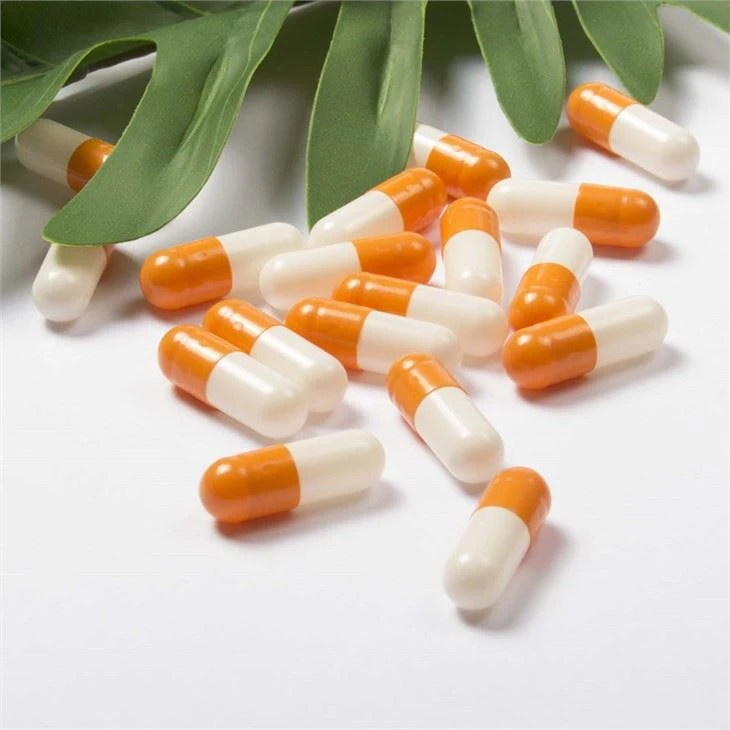
Starch - based capsules are biodegradable and can be customized in terms of their dissolution rate. Our High Filling Rate Empty Vegetable Capsules made from starch offer a high filling capacity and can be tailored to meet different product requirements.

4. Other Additives
In addition to the main raw materials, some additives are used in the production of vegetable capsules to improve their properties.
Gelling Agents
Gelling agents like carrageenan and agar are sometimes added. Carrageenan is extracted from red seaweeds. It helps to form a gel structure, which is important for the shape and integrity of the capsule. Agar, also derived from seaweeds, has similar gelling properties and is used to enhance the mechanical strength of the capsules.
Plasticizers
Plasticizers such as glycerin are used to make the capsules more flexible. Glycerin is a natural by - product of the soap - making and biodiesel industries. It helps to prevent the capsules from becoming brittle and cracking during handling and storage.
Quality Control of Raw Materials
As a supplier, we take quality control very seriously. We source our raw materials from trusted suppliers who adhere to strict quality standards. Before using any raw material, we conduct a series of tests.
Physical and Chemical Tests
We check the physical properties of the raw materials, such as particle size, moisture content, and density. Chemical tests are also performed to ensure the purity of the materials. For example, we test for the presence of heavy metals, pesticides, and other contaminants.
Microbiological Tests
Microbiological tests are crucial to ensure that the raw materials are free from harmful bacteria, fungi, and other microorganisms. We use advanced testing methods to detect and quantify any microbial contamination. Only when the raw materials pass all these tests do we use them in the production of our vegetable capsules.
Why Choose Our Vegetable Capsules
Our vegetable capsules are made from high - quality raw materials, ensuring the safety and efficacy of the products they encapsulate. Whether you're a nutraceutical company, a pharmaceutical firm, or a food manufacturer, our capsules can meet your needs.
The Vacant Vegetarian Capsule is perfect for those looking for a vegetarian - friendly option. The High Filling Rate Empty Vegetable Capsules offer a high capacity for filling, which can save you time and money. And our Food grade HPMC Empty Capsule is a reliable choice for food - grade applications.
If you're interested in our vegetable capsules, we'd love to have a chat with you. Whether you have questions about the raw materials, the production process, or pricing, feel free to reach out. We're here to help you find the best capsule solution for your products.
References
- "Handbook of Pharmaceutical Excipients" by Raymond C. Rowe, Paul J. Sheskey, and Sian C. Owen.
- "Polysaccharides: Structural Diversity and Functional Versatility" edited by S. Dumitriu.
- Research papers on the production and properties of HPMC, pullulan, and starch - based capsules from scientific journals such as the Journal of Pharmaceutical Sciences.


