


Measuring the correct amount to fill in vegetable capsules is a crucial process, especially for those in the health supplement and pharmaceutical industries. As a vegetable capsule supplier, I understand the significance of this step in ensuring the quality, efficacy, and safety of the final product. In this blog post, I will share some insights on how to accurately measure the right amount for filling vegetable capsules.
Understanding Vegetable Capsules
Before delving into the measurement process, it's essential to understand the types of vegetable capsules available. One of the popular options is the HPMC Veg Capsule. Hydroxypropyl methylcellulose (HPMC) capsules are derived from plant cellulose, making them an excellent choice for vegetarians and vegans. They are also known for their stability, clarity, and compatibility with a wide range of ingredients.
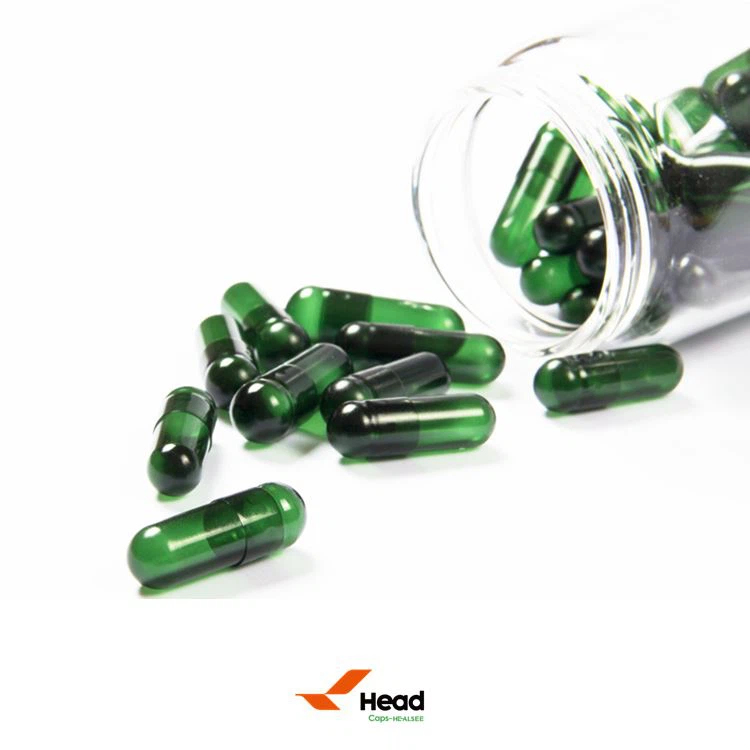
Another option is the Green Transparent Capsule. These capsules not only offer the benefits of vegetable-based materials but also have an appealing visual aspect. The green transparent color can enhance the product's aesthetic appeal, making it more attractive to consumers.
The Green Hard Vegetable Capsules are also a great choice. They are durable and can withstand the filling process without breaking or leaking. These capsules are suitable for a variety of powder and granular ingredients.
Factors Affecting the Filling Amount
Several factors influence the correct amount of material to fill in vegetable capsules. The first factor is the capsule size. Vegetable capsules come in various sizes, ranging from 000 (the largest) to 5 (the smallest). The size of the capsule determines the maximum volume it can hold. For example, a size 00 capsule can hold more powder than a size 3 capsule.
The density of the filling material is another important factor. Different substances have different densities, which means that the same volume of two different powders may have different weights. For instance, a fine powder may have a lower density compared to a granular powder, and thus, more of the fine powder may be required to fill a capsule to its capacity.

The intended dosage of the product also plays a role. If the supplement or medication is designed to deliver a specific amount of active ingredient per capsule, the filling amount must be adjusted accordingly. This requires careful calculation based on the concentration of the active ingredient in the filling material.
Methods for Measuring the Filling Amount
There are several methods available for measuring the correct amount to fill in vegetable capsules. One of the simplest methods is the volumetric method. This involves using a calibrated scoop or measuring device to measure the volume of the filling material. However, this method may not be very accurate, especially for materials with varying densities.
A more precise method is the gravimetric method. This method involves weighing the filling material using a sensitive scale. By knowing the desired weight of the filling per capsule, it is possible to accurately measure the amount of material to be filled. This method is particularly useful when dealing with expensive or potent ingredients, as it ensures that the correct dosage is delivered in each capsule.
For large-scale production, automated filling machines are often used. These machines can accurately measure and fill a large number of capsules in a short period. They are equipped with sensors and controls that can adjust the filling amount based on the capsule size and the density of the filling material. However, these machines require proper calibration and maintenance to ensure accurate filling.
Steps for Accurate Filling
To ensure accurate filling, the following steps should be followed:
- Select the appropriate capsule size: Based on the desired dosage and the volume of the filling material, choose the right capsule size. Consider the density of the material and the space required for proper encapsulation.
- Prepare the filling material: If the filling material is in powder form, ensure that it is well-mixed and free of lumps. If necessary, sieve the powder to obtain a uniform particle size.
- Measure the filling amount: Use either the volumetric or gravimetric method, depending on the accuracy required. If using a scale, zero the scale before weighing the filling material.
- Fill the capsules: If filling manually, carefully place the measured amount of filling material into the capsule body. If using an automated filling machine, follow the manufacturer's instructions for loading the capsules and setting the filling parameters.
- Check the filling accuracy: After filling a batch of capsules, randomly select a few capsules and check the filling amount. Weigh the capsules or measure the volume of the filling material to ensure that it meets the desired specifications.
Quality Control
Quality control is an essential part of the capsule filling process. Regularly check the filling accuracy to ensure that each capsule contains the correct amount of filling material. This can be done by weighing a sample of filled capsules and comparing the weights to the target weight.
Inspect the filled capsules for any signs of damage or leakage. Capsules that are damaged or leaking should be discarded to prevent contamination and ensure the safety of the product.
It is also important to maintain a clean and hygienic environment during the filling process. This helps to prevent the introduction of contaminants into the capsules, which can affect the quality and safety of the final product.
Conclusion
Measuring the correct amount to fill in vegetable capsules is a critical step in the production of health supplements and pharmaceuticals. By understanding the factors that affect the filling amount, using the appropriate measurement methods, and following the proper filling steps, it is possible to ensure accurate and consistent filling. As a vegetable capsule supplier, I am committed to providing high-quality capsules that meet the needs of our customers. If you are interested in purchasing our vegetable capsules or have any questions about the filling process, please feel free to contact us for further discussion and potential procurement.
References
- Pharmaceutical Dosage Forms: Tablets, Volume 1 - Fundamentals, Production, and Packaging, 4th Edition, by Herbert A. Lieberman, Leon Lachman, and Joseph B. Schwartz
- Handbook of Encapsulation and Controlled Release, by David J. Burgess and Patrick B. Deasy
- Vegetable Capsules: Properties, Applications, and Manufacturing, by various industry experts in peer - reviewed journals


