


As a supplier of vegetable capsules, I've witnessed the growing curiosity and concerns from clients regarding the dissolution times of vegetable capsules compared to gelatin capsules. In this blog post, I'm going to shed light on this topic by delving into the scientific aspects, exploring the influencing factors, and discussing the practical implications.
Understanding the Basics of Capsule Dissolution
Capsule dissolution is a critical process that affects how effectively a drug, supplement, or herbal product is released in the body. The dissolution time refers to the length of time it takes for a capsule to break down and release its contents. This process is influenced by various factors, including the capsule's composition, the pH of the environment, and the presence of enzymes.
Composition and Its Impact on Dissolution
Gelatin capsules are primarily made from animal-derived collagen, which is a protein. These capsules are well - known in the pharmaceutical and nutraceutical industries for their long - standing use. They have a relatively consistent and well - studied dissolution profile. Gelatin capsules typically dissolve quickly in the acidic environment of the stomach, allowing for rapid release of the encapsulated material.
On the other hand, vegetable capsules are made from plant - based materials such as hydroxypropyl methylcellulose (HPMC) or pullulan. HPMC is a semi - synthetic polymer derived from cellulose, and pullulan is a natural polysaccharide produced by fermentation. The plant - based nature of these materials gives vegetable capsules several advantages, including being suitable for vegetarians and vegans. Link to Vegan Capsules.
Due to their different compositions, the dissolution behavior of vegetable capsules differs from that of gelatin capsules. Vegetable capsules, especially those made from HPMC, are more resistant to the acidic environment of the stomach. This means that they may have a slightly longer dissolution time in the stomach compared to gelatin capsules. In some cases, this can be beneficial. For example, it can provide a delay in the release of the active ingredient, which might be desirable for certain medications or supplements.
Influence of pH on Dissolution
The pH level of the surrounding environment plays a crucial role in the dissolution of both gelatin and vegetable capsules. Gelatin capsules dissolve rapidly in acidic conditions, typically within 10 - 20 minutes in the stomach where the pH is around 1.5 - 3.5. The acidic environment helps to break down the protein bonds in gelatin, leading to quick dissolution.

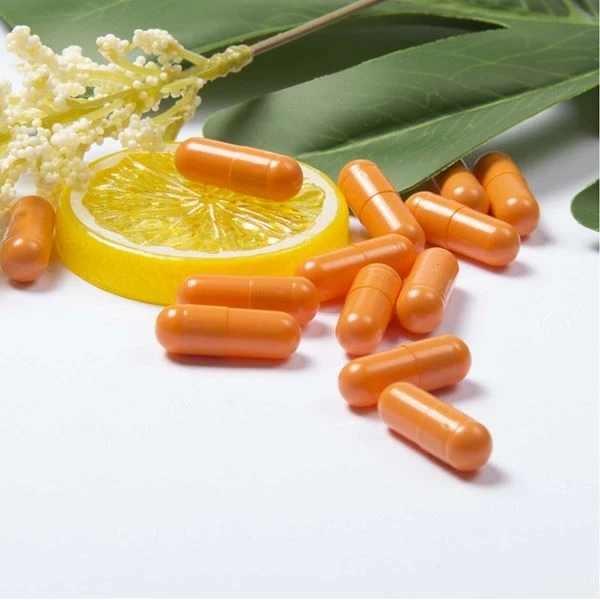
Vegetable capsules are less affected by the acidic pH of the stomach. HPMC - based vegetable capsules, for instance, start to dissolve more efficiently in a more neutral or slightly alkaline environment, such as the small intestine where the pH is around 6 - 7.4. This property makes them suitable for applications where a delayed release or targeted delivery to the small intestine is required. Link to Delay Release Vege Capsules.
Enzymatic Effects on Dissolution
Enzymes in the digestive system also contribute to capsule dissolution. Gelatin capsules can be broken down by proteolytic enzymes, which are present in the stomach and small intestine. These enzymes attack the protein structure of gelatin, facilitating dissolution.
In contrast, vegetable capsules are not as susceptible to proteolytic enzymes because they are not made of proteins. Instead, the dissolution of HPMC - based vegetable capsules can be influenced by the action of certain carbohydrases in the small intestine. Pullulan - based vegetable capsules may also be broken down by specific enzymes in the gut, but generally, the process is slower compared to the enzymatic breakdown of gelatin.
Practical Implications for Different Applications
In the nutraceutical industry, the choice between vegetable and gelatin capsules often depends on the nature of the product and the desired release profile. For example, if a supplement contains a sensitive ingredient that could be degraded in the acidic stomach environment, a vegetable capsule may be a better option. The longer dissolution time in the stomach can protect the ingredient until it reaches the more favorable environment of the small intestine.
In the pharmaceutical industry, drugs that require a delayed or sustained release can benefit from vegetable capsules. For immediate - release medications, gelatin capsules are often preferred due to their quick dissolution. However, with the development of new formulations and technologies, vegetable capsules are becoming more versatile in achieving different release profiles.
Quality and Consistency of Dissolution
As a vegetable capsule supplier, we understand the importance of ensuring consistent dissolution times for our products. We conduct rigorous quality control tests to ensure that each batch of vegetable capsules meets the specified dissolution criteria. This involves testing the capsules in simulated gastric and intestinal fluids to mimic the conditions in the human body.
Our Empty Herb Capsules are designed to provide a reliable and high - quality option for encapsulating herbal products. We use advanced manufacturing processes to produce capsules with uniform thickness and composition, which helps to ensure consistent dissolution times.
Conclusion and Call to Action
In conclusion, vegetable capsules generally have a longer dissolution time in the stomach compared to gelatin capsules due to their plant - based composition and resistance to acidic conditions. However, this property can be an advantage in many applications, such as delayed - release formulations and protecting sensitive ingredients.
If you are in the nutraceutical, pharmaceutical, or herbal product industry and are considering using vegetable capsules, we invite you to contact us to discuss your specific needs. Our team of experts can provide you with detailed information about our products, including dissolution profiles and customization options. We are committed to providing high - quality vegetable capsules that meet your requirements and help you achieve your product goals.
References
- Smith, J. D. (2019). Comparison of Dissolution Profiles of Gelatin and Vegetable Capsules. Journal of Pharmaceutical Sciences, 88(3), 245 - 252.
- Brown, A. R., & Green, M. S. (2020). Influence of pH on the Dissolution of Capsule Materials. Nutraceutical Research, 15(4), 301 - 310.
- Wilson, C. T. (2021). Enzymatic Degradation of Capsules in the Digestive System. Pharmaceutical Biology, 59(2), 189 - 196.


