


Hey there! As a supplier of vegetable capsules, I often get asked a bunch of questions about how these little guys work. One of the most common queries is, "Do vegetable capsules break down in the small intestine?" Well, let's dive right into it and find out.
First off, let me give you a bit of background on vegetable capsules. We offer a range of products like Delay Release Veg Capsules, Food grade HPMC Empty Capsule, and Empty Vegetable Capsules. These capsules are made from natural materials, usually plant - based polymers. The most popular type is the Hydroxypropyl Methylcellulose (HPMC) capsules. They're a great alternative to traditional gelatin capsules, especially for vegetarians and vegans.
Now, let's talk about the digestive process. When you swallow a vegetable capsule, it first enters the stomach. The stomach is a pretty harsh environment with its acidic gastric juices. The pH level in the stomach is typically around 1.5 - 3.5. This acidic environment can have an impact on the capsule's breakdown.
Most standard vegetable capsules, like the HPMC ones we supply, start to soften in the stomach. But they don't fully break down there. The reason is that the structure of HPMC is relatively stable in acidic conditions. It can withstand the stomach acid for a certain period, which is actually a good thing. It protects the contents of the capsule from the harsh stomach environment.
As the digestive process continues, the partially - softened capsule moves into the small intestine. The small intestine has a completely different environment compared to the stomach. The pH in the small intestine ranges from about 6 - 7.4, which is much more neutral. This change in pH is crucial for the breakdown of vegetable capsules.
In the small intestine, the softened capsule comes into contact with various enzymes and fluids. These enzymes, such as pancreatic enzymes and bile, play a key role in breaking down the capsule. The HPMC in the capsule starts to absorb water from the surrounding intestinal fluids. As it absorbs water, it swells and becomes more porous. Eventually, the capsule wall breaks down completely, releasing the contents inside.
The time it takes for a vegetable capsule to break down in the small intestine can vary. It depends on several factors, like the thickness of the capsule wall, the formulation of the capsule, and the specific contents inside. On average, it can take anywhere from 15 minutes to a few hours for the capsule to fully break down and release its contents.
Let's take a closer look at the benefits of having a capsule that breaks down in the small intestine. For one thing, it allows for more targeted delivery of the contents. Some substances, like certain vitamins, minerals, or medications, are better absorbed in the small intestine. By ensuring that the capsule doesn't break down in the stomach, we can make sure that these substances reach the small intestine intact and are absorbed more effectively.
Another advantage is that it can protect the stomach from potentially irritating substances. Some ingredients might cause discomfort or irritation if they come into direct contact with the stomach lining. By delaying the release until the small intestine, we can avoid these issues.
Now, you might be wondering about our Delay Release Veg Capsules. These are specially designed to have an even more controlled release. They are formulated to withstand the stomach acid for an extended period and then break down at a specific point in the small intestine. This is great for medications or supplements that need to be released at a particular time or location in the digestive tract.
Our Food grade HPMC Empty Capsule is a high - quality option for those who want to fill their own supplements. The HPMC material ensures that the capsule will break down properly in the small intestine, providing a safe and effective way to deliver your chosen ingredients.
And of course, our Empty Vegetable Capsules are a versatile choice. Whether you're a supplement manufacturer or an individual looking to make your own custom supplements, these capsules offer a natural and reliable option.
If you're in the business of making supplements or medications, you know how important it is to choose the right capsule. The ability of a vegetable capsule to break down in the small intestine can have a big impact on the effectiveness of your product. It can improve the bioavailability of the ingredients, enhance the user experience, and even reduce the risk of side effects.
So, if you're interested in learning more about our vegetable capsules or have any questions about their breakdown in the small intestine, don't hesitate to reach out. We're here to help you make the best choice for your product. Whether you need a large - scale supply for your manufacturing business or just a small batch for personal use, we've got you covered.
In conclusion, vegetable capsules do break down in the small intestine. The change in pH from the stomach to the small intestine, along with the action of enzymes and fluids, causes the capsule to break down and release its contents. This targeted breakdown offers many benefits for both the consumer and the product manufacturer.
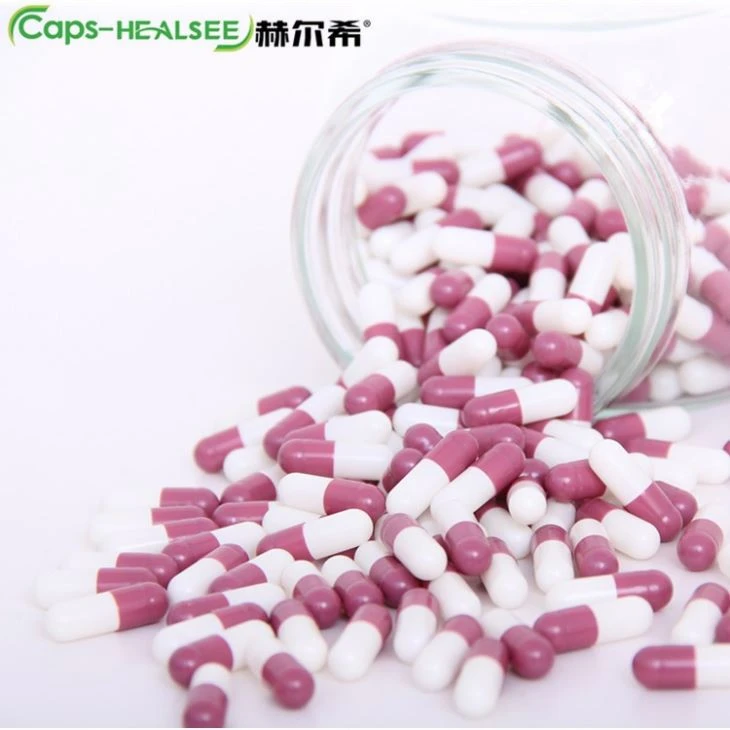

If you're looking for a reliable supplier of high - quality vegetable capsules, look no further. We're committed to providing the best products and services. Contact us today to start a discussion about your specific needs. We can work together to find the perfect vegetable capsule solution for you.
References
- "Digestive Physiology and Nutrition in Ruminants" by P. C. Garnsworthy and A. N. P. Webster
- "The Physiology of the Gastrointestinal Tract" edited by Leonard R. Johnson
- "Pharmaceutical Dosage Forms: Tablets" by Herbert A. Lieberman, Leon Lachman, and Joseph B. Schwartz


