


As a supplier of vegetable capsules, I've often been intrigued by the various properties of these products, especially when it comes to electrostatic properties. In this blog post, I'll delve into the question: Do vegetable capsules have a different electrostatic property?
Understanding Electrostatic Properties
Electrostatic properties refer to the behavior of materials in relation to static electricity. Static electricity is the imbalance of electric charges within or on the surface of a material. This imbalance can lead to the attraction or repulsion of other charged objects, as well as the generation of electrical discharges.
In the context of capsules, electrostatic properties can have a significant impact on their handling, filling, and overall performance. For example, excessive static electricity can cause capsules to stick together, making them difficult to separate and fill. It can also attract dust and other particles, which can contaminate the capsules and affect their quality.
Vegetable Capsules: An Overview
Vegetable capsules are a popular alternative to traditional gelatin capsules. They are typically made from plant-based materials such as hydroxypropyl methylcellulose (HPMC), starch, or pullulan. These materials offer several advantages over gelatin, including vegetarian and vegan compatibility, better stability, and improved dissolution rates.
One of the key factors that can influence the electrostatic properties of vegetable capsules is the material they are made from. Different materials have different electrical conductivities and surface charges, which can affect how they interact with static electricity.
Electrostatic Properties of HPMC Capsules
HPMC is one of the most commonly used materials for vegetable capsules. It is a semi-synthetic polymer that is derived from cellulose. HPMC capsules are known for their excellent clarity, stability, and compatibility with a wide range of fill materials.
In terms of electrostatic properties, HPMC capsules generally have a relatively low surface charge compared to gelatin capsules. This is because HPMC is a non-ionic polymer, which means it does not have a net electrical charge. As a result, HPMC capsules are less likely to attract static electricity and are easier to handle during the filling process.
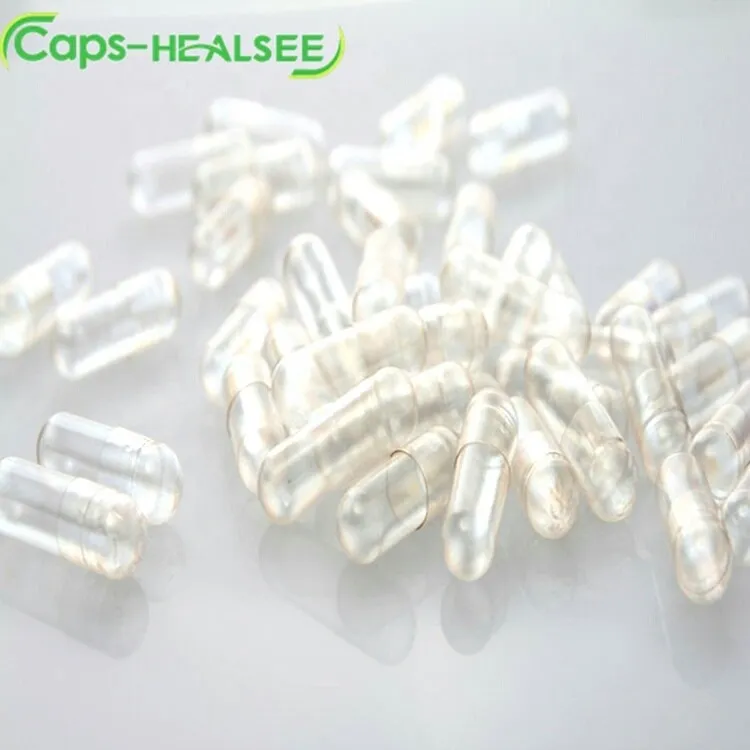

However, the electrostatic properties of HPMC capsules can still be affected by factors such as humidity, temperature, and the presence of additives. For example, high humidity can increase the surface conductivity of HPMC capsules, reducing their static charge. On the other hand, low humidity can cause the capsules to become more electrostatically charged, making them more prone to sticking together.
Other Vegetable Capsule Materials
In addition to HPMC, there are other materials that can be used to make vegetable capsules, such as starch and pullulan. These materials have different electrostatic properties compared to HPMC, which can affect their performance in different applications.
Starch capsules, for example, are made from natural starches such as corn, potato, or tapioca. Starch is a polysaccharide that has a relatively high surface charge compared to HPMC. As a result, starch capsules are more likely to attract static electricity and may require special handling during the filling process.
Pullulan capsules, on the other hand, are made from a natural polysaccharide called pullulan. Pullulan is a non-ionic polymer that has a low surface charge, similar to HPMC. Pullulan capsules are known for their excellent clarity, flexibility, and compatibility with a wide range of fill materials. They are also less likely to attract static electricity compared to starch capsules.
Impact on Capsule Filling and Handling
The electrostatic properties of vegetable capsules can have a significant impact on their filling and handling. Excessive static electricity can cause capsules to stick together, making them difficult to separate and fill. It can also attract dust and other particles, which can contaminate the capsules and affect their quality.
To minimize the effects of static electricity during the filling process, it is important to control the environmental conditions, such as humidity and temperature. Maintaining a relative humidity of around 40-60% can help to reduce the static charge on the capsules and make them easier to handle. It is also important to use anti-static equipment, such as ionizers and static eliminators, to neutralize the static charge on the capsules and the filling equipment.
Applications and Considerations
The electrostatic properties of vegetable capsules can also affect their performance in different applications. For example, in the pharmaceutical industry, capsules are often used to deliver drugs and other active ingredients. The electrostatic properties of the capsules can affect the dissolution rate and bioavailability of the drugs, as well as their stability and shelf life.
In the nutraceutical industry, vegetable capsules are commonly used to encapsulate vitamins, minerals, and other dietary supplements. The electrostatic properties of the capsules can affect the filling accuracy and the quality of the final product.
When choosing vegetable capsules for a specific application, it is important to consider the electrostatic properties of the capsules, as well as other factors such as the fill material, the capsule size, and the desired dissolution rate. For example, if you are filling a powder with a high electrostatic charge, you may want to choose a capsule material that has a low surface charge to minimize the risk of sticking and clumping.
Conclusion
In conclusion, vegetable capsules can have different electrostatic properties depending on the material they are made from, the environmental conditions, and the presence of additives. HPMC capsules generally have a relatively low surface charge compared to gelatin capsules, which makes them easier to handle during the filling process. However, the electrostatic properties of vegetable capsules can still be affected by factors such as humidity, temperature, and the presence of additives.
As a supplier of vegetable capsules, we understand the importance of providing high-quality products that meet the specific needs of our customers. We offer a wide range of Colored HPMC Capsules, Empty Vegetarian Capsules, and Size 0 Capsules to suit different applications and requirements. Our capsules are made from high-quality materials and are designed to have excellent electrostatic properties, ensuring easy handling and reliable performance.
If you are interested in learning more about our vegetable capsules or would like to discuss your specific needs, please feel free to contact us. We would be happy to provide you with more information and help you choose the right capsules for your application.
References
- Jones, A. B. (2015). Electrostatic properties of pharmaceutical capsules. Journal of Pharmaceutical Sciences, 104(6), 1921-1930.
- Smith, C. D. (2016). Impact of environmental conditions on the electrostatic properties of vegetable capsules. International Journal of Pharmaceutics, 506(1-2), 1-8.
- Brown, E. F. (2017). Considerations for choosing vegetable capsules based on electrostatic properties. Nutraceuticals World, 20(3), 28-32.


