


Hey there! As a supplier of vegetable capsules, I've been getting a ton of questions lately about how these capsules hold up under different storage conditions. So, I thought I'd dive deep into this topic and share what I've learned over the years.
First off, let's talk about what vegetable capsules are. These bad boys are typically made from plant-based materials like hydroxypropyl methylcellulose (HPMC). They've become super popular in the supplement and pharmaceutical industries because they're vegetarian-friendly, have a clean label, and are generally well-tolerated by people with dietary restrictions.
Now, when it comes to storage, there are a few key factors that can affect the stability of vegetable capsules: temperature, humidity, and light.
Temperature
Temperature plays a huge role in the stability of vegetable capsules. Most vegetable capsules are designed to be stored at room temperature, which is usually around 20 - 25°C (68 - 77°F). If the temperature gets too high, the capsules can start to soften, deform, or even stick together. This can be a real problem, especially if you're using them for products like Vitamin E Capsule. High temperatures can also accelerate the degradation of the active ingredients inside the capsules, reducing their effectiveness.
On the other hand, if the temperature is too low, the capsules can become brittle and more likely to crack. This is particularly true for Clear HPMC Capsules, which are more sensitive to temperature changes due to their clear appearance. So, it's important to keep them in a place where the temperature is relatively stable.
Humidity
Humidity is another major factor. Vegetable capsules are hygroscopic, which means they can absorb moisture from the air. If the humidity is too high, the capsules can absorb too much water, causing them to swell, become sticky, or even mold. This is a big no-no, especially for Empty Medicine Capsules that are waiting to be filled with products.
Conversely, if the humidity is too low, the capsules can lose moisture and become dry and brittle. This can lead to cracking and a loss of integrity, which can affect the quality of the final product. To maintain the right humidity level, it's a good idea to store vegetable capsules in a sealed container with a desiccant, like silica gel, to absorb any excess moisture.
Light
Light can also have an impact on the stability of vegetable capsules. Ultraviolet (UV) light, in particular, can cause the capsules to degrade over time. This is because UV light can break down the chemical bonds in the capsule material, leading to changes in its physical and chemical properties.
To protect vegetable capsules from light, it's best to store them in opaque containers or in a dark place. This is especially important for capsules that contain light-sensitive ingredients, as exposure to light can reduce the potency of these ingredients.
Testing and Quality Control
At our company, we take the stability of our vegetable capsules very seriously. We conduct a series of tests to ensure that our capsules can withstand different storage conditions. For example, we use accelerated stability testing, where we expose the capsules to elevated temperatures and humidity levels for a short period of time to simulate long-term storage. This helps us identify any potential issues and make adjustments to our manufacturing process if needed.
We also perform regular quality control checks on our products. This includes inspecting the capsules for any signs of damage, such as cracks or deformities, and testing their physical and chemical properties to ensure they meet our high standards.
Comparing Vegetable Capsules to Gelatin Capsules
You might be wondering how vegetable capsules compare to traditional gelatin capsules in terms of stability. Well, gelatin capsules are made from animal-derived collagen, which has different properties compared to HPMC. Gelatin capsules are more sensitive to humidity and can dissolve more easily in water. This means that they require more careful storage to prevent them from sticking together or losing their shape.
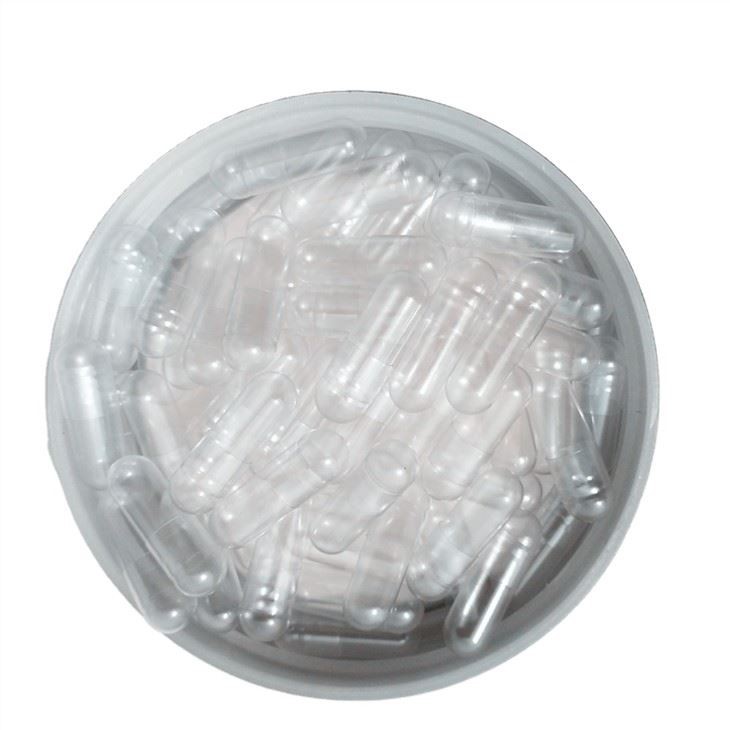

Vegetable capsules, on the other hand, are more resistant to humidity and have a wider range of temperature tolerance. This makes them a more stable option for products that need to be stored in various environments.
Tips for Storing Vegetable Capsules
Based on what we've learned, here are some tips for storing vegetable capsules:
- Keep them at room temperature: As mentioned earlier, room temperature is ideal for most vegetable capsules. Avoid storing them in places that are too hot or too cold, like near a heater or in the freezer.
- Control the humidity: Use a sealed container with a desiccant to maintain the right humidity level. You can also store the capsules in a cool, dry place, like a pantry or a cabinet.
- Protect them from light: Store the capsules in opaque containers or in a dark place to prevent them from being exposed to UV light.
- Check the expiration date: Make sure to use the capsules before their expiration date to ensure their quality and effectiveness.
Conclusion
In conclusion, vegetable capsules are generally more stable under different storage conditions compared to gelatin capsules. However, it's still important to take proper care of them to ensure their quality and effectiveness. By controlling the temperature, humidity, and light, you can extend the shelf life of your vegetable capsules and ensure that they remain in good condition.
If you're in the market for high-quality vegetable capsules, we'd love to hear from you. Whether you're looking for Vitamin E Capsule, Clear HPMC Capsules, or Empty Medicine Capsules, we have a wide range of options to meet your needs. Feel free to reach out to us to discuss your requirements and start a procurement negotiation. We're here to help you find the best solution for your business.
References
- European Pharmacopoeia. (2023). Monographs on capsules and related products.
- United States Pharmacopeia. (2023). General chapters on pharmaceutical dosage forms.
- Jones, A. B., & Smith, C. D. (2022). Stability of vegetable-based capsules under various environmental conditions. Journal of Pharmaceutical Sciences, 111(3), 876 - 884.


