

In the eolving nutraceutical and pharmaceutical markets, Hydroxypropyl Methylcellulose (HPMC) capsules are becoming a preferred alternative to traditional gelatin capsules. As consumer preferences shift toward plant-based, clean-label, and allergen-free products, HPMC capsules stand out for their versatility, stability, and ethical appeal. Here's why they are gaining popularity worldwide.

1. Rising Demand for Plant-Based Products
More consumers are seeking vegan or vegetarian supplements, either for ethical, health, or religious reasons. Unlike gelatin capsules, which are derived from animal collagen, HPMC capsules are made from plant cellulose, typically sourced from pine or spruce trees. This makes them suitable for a wider range of consumers, including those with dietary restrictions or cultural considerations. Brands that adopt HPMC capsules can expand their target market and appeal to the growing segment of health-conscious, plant-focused buyers.
2. Superior Stability for Sensitive Ingredients
Many active ingredients, such as Vitamin E or probiotics, are sensitive to moisture and temperature. Gelatin capsules can absorb moisture from the environment, potentially causing premature degradation of the contents. HPMC capsules, on the other hand, have low moisture content and excellent resistance to humidity, ensuring that the active ingredients maintain their potency throughout the product's shelf life. This stability is especially valuable for global shipping, where supplements may face varied climate conditions.
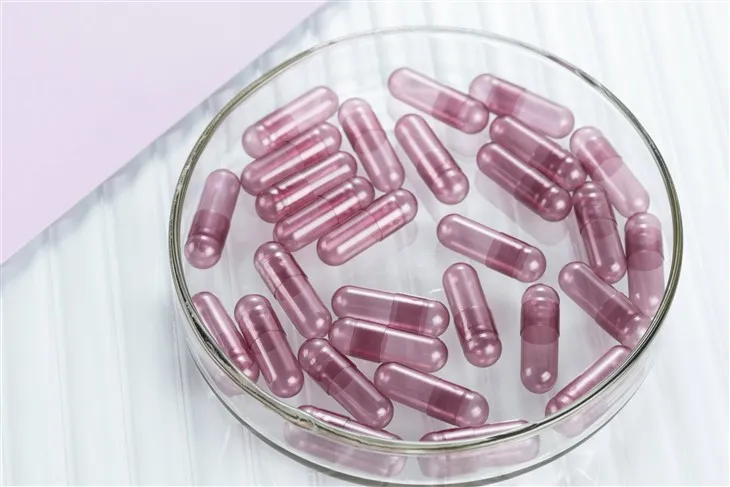
3. Clean-Label and Allergen-Free Advantage
Today's supplement shoppers scrutinize labels for additives, allergens, and animal-derived components. HPMC capsules are naturally free from gluten, starch, preservatives, and common allergens. This aligns perfectly with the "clean-label" movement, which emphasizes transparency and minimal processing. Products featuring HPMC capsules can proudly highlight their allergen-free, non-GMO, and vegan-friendly status, boosting consumer trust.

4. Consistency and Quality Control
HPMC capsules are manufactured under precise conditions, ensuring uniform size, weight, and disintegration times. This consistency helps manufacturers maintain strict dosage accuracy, a key factor in regulatory compliance and consumer safety. For brands, this reliability translates into fewer production issues and a consistent user experience, reinforcing brand credibility.

5. Compatibility with a Wide Range of Formulations
HPMC capsules are versatile and compatible with both hydrophilic and lipophilic formulations. They are suitable for powders, granules, and oil-based fillings such as Vitamin E. Unlike gelatin capsules, they do not react with hygroscopic or oxygen-sensitive materials, making them a practical choice for innovative supplement formulations.
6. Sustainability and Ethical Sourcing
As environmental concerns grow, consumers increasingly prefer products with lower environmental impact. HPMC capsules are sourced from renewable plant materials and have a smaller ecological footprint compared to animal-based gelatin production. This sustainable approach supports corporate social responsibility goals and resonates with eco-conscious consumers.
Conclusion
The popularity of HPMC capsules is no coincidence-they meet the modern consumer's expectations for ethical sourcing, product stability, allergen-free assurance, and environmental responsibility. For supplement manufacturers, switching to HPMC capsules is not just a product upgrade; it's a strategic move to align with market trends and build stronger connections with health-conscious, environmentally aware customers. As the demand for plant-based solutions continues to grow, HPMC capsules are set to play a leading role in the future of supplement delivery systems.


