


In the realm of pharmaceutical and nutraceutical industries, vegetable capsules have emerged as a popular choice due to their natural origin, compatibility with various formulations, and suitability for vegetarians and vegans. As a dedicated vegetable capsule supplier, we understand the paramount importance of quality control in ensuring the safety, efficacy, and reliability of our products. In this blog post, we will delve into the comprehensive quality control process that we implement to deliver high - quality vegetable capsules to our customers.
Raw Material Sourcing
The foundation of a high - quality vegetable capsule lies in the selection of superior raw materials. We source our raw materials from trusted suppliers who adhere to strict quality standards. For vegetable capsules, the primary raw material is usually hydroxypropyl methylcellulose (HPMC), a plant - derived polymer.
Before accepting any raw material batch, we conduct a series of inspections. First, we verify the supplier's documentation, including certificates of analysis (COA), which detail the chemical composition, purity, and other quality parameters of the raw material. We also perform identity tests, such as infrared spectroscopy, to confirm that the received material is indeed HPMC.
In addition to identity verification, we assess the physical properties of the raw material. This includes testing the particle size distribution, moisture content, and bulk density. Optimal particle size is crucial for consistent capsule filling, while appropriate moisture content prevents issues like capsule brittleness or microbial growth. Bulk density affects the flowability of the raw material during the manufacturing process.
In - process Quality Control
Once the raw materials pass the initial inspection, they enter the manufacturing process. Our manufacturing facilities are equipped with state - of - the - art equipment and operate under strict Good Manufacturing Practices (GMP).
During the production of vegetable capsules, we have multiple in - process quality control checkpoints. For instance, when preparing the HPMC solution, we monitor the temperature, viscosity, and pH of the solution. These parameters directly influence the quality of the capsule film. Incorrect temperature or viscosity can lead to uneven capsule walls or poor film formation.
The dipping process, where the capsule molds are dipped into the HPMC solution to form the capsule shells, is also closely monitored. We check the dipping speed, immersion time, and withdrawal rate. These factors determine the thickness and uniformity of the capsule walls. Any deviation from the set parameters can result in capsules with inconsistent wall thickness, which may affect the dissolution rate and drug release characteristics.
After the capsule shells are formed, they undergo a drying process. We control the drying temperature and humidity to ensure complete removal of moisture without causing damage to the capsules. During drying, we also inspect the capsules for any visible defects such as cracks, holes, or deformities.

Final Product Inspection
Once the manufacturing process is complete, the vegetable capsules undergo a comprehensive final product inspection. This inspection involves both physical and chemical testing.
Physical Testing
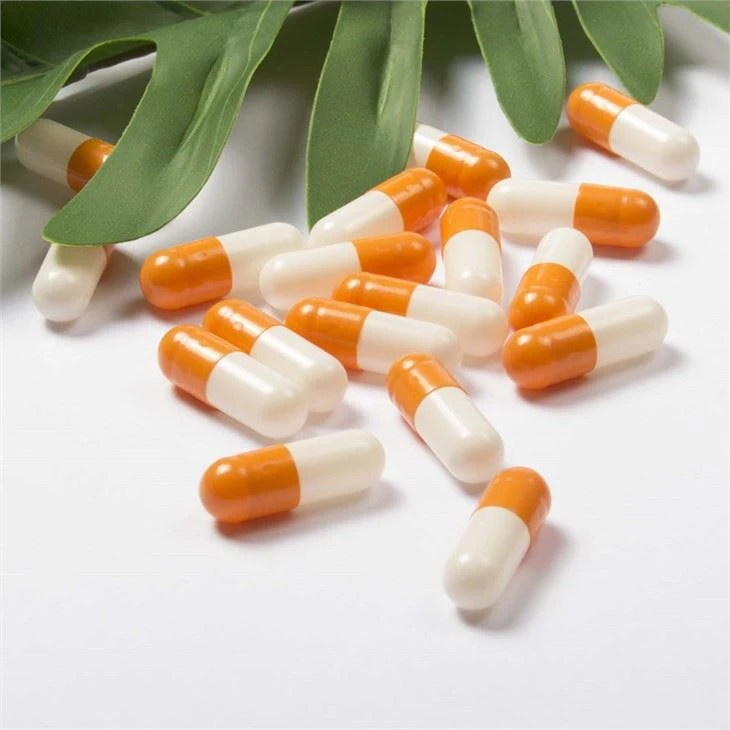
- Appearance and Dimensions: We visually inspect the capsules to ensure they have a smooth surface, uniform color, and no visible defects. We also measure the length, diameter, and wall thickness of a representative sample of capsules using precision measuring instruments. Capsules that do not meet the specified dimensional requirements are rejected.
- Hardness and Brittleness: The hardness of the capsules is an important parameter, as it affects the handling and storage of the capsules. We use a hardness tester to measure the force required to break the capsules. Brittleness is also evaluated by subjecting the capsules to a series of mechanical stress tests, such as dropping them from a certain height or applying gentle pressure.
- Dissolution Rate: The dissolution rate of the capsules is a critical quality attribute, especially for pharmaceutical applications. We conduct dissolution tests in simulated gastric and intestinal fluids to ensure that the capsules dissolve within the specified time frame, allowing for proper drug release.
Chemical Testing
- Purity and Composition: We analyze the chemical composition of the capsules using techniques such as high - performance liquid chromatography (HPLC) and gas chromatography - mass spectrometry (GC - MS). These methods help us detect any impurities, including residual solvents, heavy metals, or other contaminants. We ensure that the capsules meet the strict purity standards set by regulatory authorities.
- Moisture Content: The moisture content of the final product is re - checked to ensure that it is within the acceptable range. Excessive moisture can lead to microbial growth and degradation of the capsules over time.
Microbiological Testing
Microbiological contamination is a major concern in the production of vegetable capsules. We conduct regular microbiological testing to ensure that the capsules are free from harmful microorganisms such as bacteria, fungi, and yeasts.
We use standard microbiological methods, such as plate counting and membrane filtration, to quantify the number of microorganisms present in the capsules. We also test for specific pathogens, such as Escherichia coli, Salmonella, and Staphylococcus aureus. Capsules that do not meet the microbiological acceptance criteria are immediately rejected.
Packaging and Storage
Even after the capsules have passed all the quality control tests, proper packaging and storage are essential to maintain their quality. We use high - quality packaging materials that provide adequate protection against moisture, light, and oxygen. The packaging is designed to prevent physical damage to the capsules during transportation and storage.
We also have strict storage conditions in place. The capsules are stored in a clean, dry, and temperature - controlled environment. Regular inventory checks are conducted to ensure that the capsules are stored within the recommended shelf - life.
Our Commitment to Quality
As a vegetable capsule supplier, we are committed to delivering products of the highest quality. Our quality control process is not only a regulatory requirement but also a reflection of our dedication to our customers' satisfaction. We understand that our customers rely on our capsules to deliver safe and effective pharmaceutical and nutraceutical products.
We offer a wide range of vegetable capsules, including Vacant Vegetarian Capsule, Colored Empty Vegetable Capsules, and Clear And Color Empty Vegetable Capsule. Each of these products undergoes the same rigorous quality control process to ensure consistent quality.
If you are in the market for high - quality vegetable capsules, we invite you to contact us for procurement and further discussions. Our team of experts is ready to assist you in finding the right capsule solution for your specific needs.
References
- European Pharmacopoeia. (2023). European Pharmacopoeia 11.0. Council of Europe.
- United States Pharmacopeia (USP). (2023). USP - NF 2023. United States Pharmacopeial Convention.
- Good Manufacturing Practices (GMP) Guidelines. (2023). World Health Organization.


