


Hey there! As a supplier of vegetable capsules, I often get asked about the manufacturing process of these nifty little things. So, I thought I'd take the time to break it down for you in a way that's easy to understand.
First off, let's talk about what vegetable capsules are. These capsules are made from plant-based materials, which makes them a great option for vegetarians and vegans. They're also free from animal by-products, so they're a more ethical choice. Plus, they have a lot of other benefits, like being easy to swallow and having a longer shelf life compared to some other types of capsules.
The Raw Materials
The manufacturing process of vegetable capsules starts with the raw materials. The most common materials used are hydroxypropyl methylcellulose (HPMC) and pullulan.
HPMC is a semi-synthetic polymer that's derived from cellulose, which is found in the cell walls of plants. It's a popular choice because it's safe, stable, and has good film-forming properties. Pullulan, on the other hand, is a natural polysaccharide produced by a type of fungus. It's also safe and has excellent solubility, which makes it ideal for capsule manufacturing.
These raw materials are carefully sourced to ensure they meet high-quality standards. We work with trusted suppliers who can provide us with pure and consistent materials. Once we receive the raw materials, they're stored in a controlled environment to maintain their quality until they're ready to be used.
Preparing the Gel Solution
The next step is to prepare the gel solution. This is where the raw materials are mixed with water and other additives to form a thick, viscous gel. The exact recipe for the gel solution can vary depending on the type of capsule being made and the specific requirements of the customer.
For HPMC capsules, the HPMC powder is typically dispersed in hot water and then cooled to form a gel. Other additives, such as plasticizers and colorants, may be added to improve the flexibility and appearance of the capsules. Plasticizers help to make the capsules more pliable and less brittle, while colorants can be used to give the capsules a specific color.
For pullulan capsules, the pullulan powder is dissolved in water at a specific temperature and pH. Again, additives may be added to enhance the properties of the gel. The gel solution is then carefully filtered to remove any impurities or undissolved particles.
Dipping the Pins
Once the gel solution is ready, it's time to start making the capsules. The most common method for manufacturing two-piece empty hard capsules is the dipping process. This involves dipping stainless steel pins into the gel solution to form the capsule shells.
The pins are arranged in a specific pattern on a dipping machine. The machine dips the pins into the gel solution at a controlled speed and depth. As the pins are withdrawn from the gel, a thin layer of gel adheres to the surface of the pins. This layer of gel then dries to form the capsule shell.
The drying process is crucial to ensure the capsules have the right thickness and strength. The dipped pins are typically placed in a drying chamber where they're exposed to warm, dry air. The temperature and humidity in the drying chamber are carefully controlled to ensure the capsules dry evenly and don't develop any defects.
Trimming and Joining
After the capsules have dried, they're removed from the pins and trimmed to the correct length. This is done using a trimming machine that cuts the capsules to the desired size. The trimmed capsules are then inspected to ensure they meet the quality standards.
The next step is to join the two halves of the capsule together. This is typically done using a capsule filling machine. The machine aligns the two halves of the capsule and then presses them together to form a complete capsule. The joined capsules are then inspected again to make sure they're properly sealed and don't have any leaks.
Quality Control
Quality control is an essential part of the manufacturing process. At every stage of production, the capsules are inspected to ensure they meet the highest quality standards. We use a variety of testing methods, including visual inspection, weight checking, and dissolution testing.
Visual inspection is used to check for any visible defects, such as cracks, holes, or uneven surfaces. Weight checking ensures that the capsules have the correct weight, which is important for accurate dosing. Dissolution testing is used to determine how quickly the capsules dissolve in the body, which can affect the effectiveness of the medication or supplement inside.
We also conduct regular audits of our manufacturing facilities to ensure they comply with good manufacturing practices (GMP). GMP is a set of guidelines and regulations that govern the production of pharmaceutical and dietary supplement products. By following GMP, we can ensure that our vegetable capsules are safe, effective, and of consistent quality.
Packaging
Once the capsules have passed all the quality control tests, they're ready to be packaged. The capsules are typically packaged in bottles, blister packs, or other types of containers. The packaging is designed to protect the capsules from damage, moisture, and light.

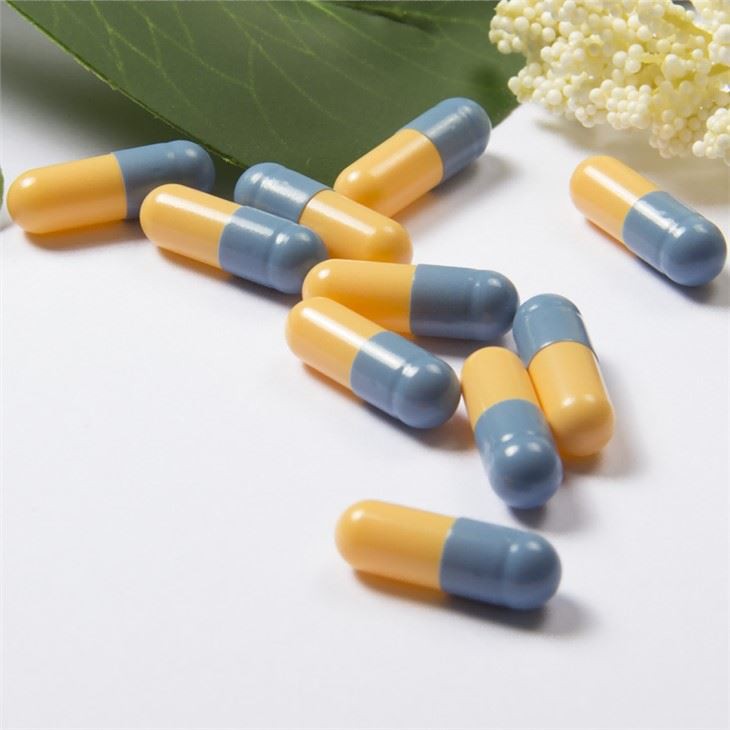
We use high-quality packaging materials that are compatible with the capsules. The packaging is also labeled with important information, such as the product name, dosage, and expiration date. This helps to ensure that the customers can use the capsules safely and correctly.
Different Types of Vegetable Capsules
We offer a variety of vegetable capsules to meet the needs of our customers. One of our popular products is the Two-piece Empty Hard Capsule. These capsules are made up of two separate halves that can be easily filled with a variety of substances, such as powders, granules, or liquids. They're commonly used in the pharmaceutical and dietary supplement industries.
We also have Empty Hard Capsules, which are similar to the two-piece capsules but may have different sizes and shapes. These capsules are versatile and can be used for a wide range of applications.
Another option is our Empty Herbal Capsule. These capsules are specifically designed for herbal supplements. They're made from high-quality vegetable materials that are compatible with herbal ingredients and can help to preserve the potency of the herbs.
Why Choose Our Vegetable Capsules
There are several reasons why you should choose our vegetable capsules. First of all, we have a state-of-the-art manufacturing facility that's equipped with the latest technology and equipment. This allows us to produce high-quality capsules efficiently and consistently.
We also have a team of experienced and knowledgeable professionals who are dedicated to ensuring the quality of our products. From the sourcing of the raw materials to the final packaging, every step of the manufacturing process is carefully monitored and controlled.
In addition, we offer a high level of customization. We can work with you to develop capsules that meet your specific requirements, whether it's the size, shape, color, or other properties. We understand that every customer is unique, and we're committed to providing personalized solutions.
Contact Us for Procurement
If you're interested in purchasing our vegetable capsules, we'd love to hear from you. Whether you're a pharmaceutical company, a dietary supplement manufacturer, or a retailer, we can provide you with the high-quality capsules you need.
We offer competitive prices and excellent customer service. Our team is always available to answer your questions and help you with your procurement needs. So, don't hesitate to reach out to us to discuss your requirements and get a quote.
In conclusion, the manufacturing process of vegetable capsules is a complex but well-controlled process that involves several steps. From the selection of the raw materials to the final packaging, every detail is carefully considered to ensure the production of high-quality capsules. If you're in the market for vegetable capsules, we're here to be your trusted supplier.
References
- "Capsule Technology: An Overview" by Smith, J. (2020)
- "Vegetable Capsules: Properties and Applications" by Johnson, A. (2019)
- "Manufacturing Processes for Pharmaceutical Capsules" by Brown, C. (2018)


