


As a supplier of vegetable capsules, I've been closely involved in the industry for years. Vegetable capsules, such as Vege Capsules and DR Veggie Capsules, have gained significant popularity due to their natural origin and suitability for vegetarians and vegans. However, like any product, they come with their own set of disadvantages. In this blog, I'll delve into the drawbacks of vegetable capsules to provide a comprehensive view for potential buyers.
Higher Cost
One of the most notable disadvantages of vegetable capsules is their relatively high cost compared to gelatin capsules. Vegetable capsules are typically made from materials like hydroxypropyl methylcellulose (HPMC) or pullulan. The production process of these materials is more complex and requires specialized equipment and techniques. For instance, HPMC is derived from cellulose, and the process of converting cellulose into a suitable capsule - forming material involves multiple chemical and physical steps.
Pullulan, on the other hand, is produced by fermenting starch, which also requires specific fermentation conditions and purification processes. These factors contribute to the higher raw material and production costs. As a result, when you choose Vege Capsules or DR Veggie Capsules, you may need to pay a premium price. This can be a significant deterrent for budget - conscious manufacturers or consumers.
Limited Solubility
Vegetable capsules may have limited solubility compared to gelatin capsules, especially in certain environments. Gelatin capsules dissolve relatively quickly in the acidic environment of the stomach, releasing the contents for absorption. However, vegetable capsules, particularly those made from HPMC, may dissolve more slowly.
The dissolution rate of vegetable capsules can be affected by factors such as the pH of the surrounding medium, temperature, and the presence of other substances. In some cases, if the dissolution is too slow, the active ingredients in the capsule may not be released in a timely manner, which can impact the bioavailability of the product. For example, in formulations where rapid absorption is crucial, the slower dissolution of vegetable capsules might not be ideal. Even size 000 capsules, which are larger and may hold more content, can face solubility challenges.
Moisture Sensitivity
Vegetable capsules are more sensitive to moisture compared to gelatin capsules. They have a tendency to absorb moisture from the surrounding environment, which can lead to various problems. When vegetable capsules absorb moisture, they may become soft, sticky, and lose their structural integrity. This can cause issues during handling, storage, and even consumption.
For example, in high - humidity conditions, the capsules may clump together, making it difficult to separate them for use. Moreover, the absorption of moisture can also affect the stability of the active ingredients inside the capsule. Some active substances may degrade in the presence of excess moisture, reducing the efficacy of the product. To mitigate this problem, proper storage conditions, such as using desiccants and storing in a dry environment, are required. However, this adds an extra layer of complexity and cost for manufacturers and consumers.
Lower Mechanical Strength
The mechanical strength of vegetable capsules is generally lower than that of gelatin capsules. Gelatin capsules are known for their good elasticity and toughness, which allows them to withstand certain levels of pressure during manufacturing, packaging, and transportation. In contrast, vegetable capsules are more brittle and prone to cracking or breaking.
During the filling process of capsules, if the equipment exerts too much pressure, vegetable capsules may be damaged. Similarly, during transportation, the vibrations and impacts can cause the capsules to break, resulting in product loss. Even size 000 capsules, which are larger and may be more prone to mechanical stress, face this issue. This lower mechanical strength requires more careful handling and packaging, which can increase the overall cost of production.
Compatibility Issues
There can be compatibility issues between vegetable capsules and certain active ingredients. Some active substances may interact with the materials of vegetable capsules, such as HPMC or pullulan. For example, certain oils or lipophilic substances may cause the capsule to swell or become discolored. This interaction can not only affect the appearance of the capsule but also potentially alter the stability and efficacy of the active ingredient.
In addition, some drugs or supplements may require a specific environment for stability, and the properties of vegetable capsules may not provide the ideal conditions. For instance, if a product needs to be protected from oxygen, the gas - barrier properties of vegetable capsules may not be as good as those of gelatin capsules, leading to potential oxidation of the active ingredients.

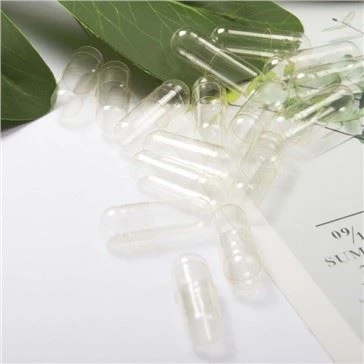
Limited Availability of Sizes and Shapes
Compared to gelatin capsules, vegetable capsules have a more limited range of available sizes and shapes. Gelatin capsules are widely produced in a variety of standard sizes and can also be customized into different shapes to meet specific product requirements. However, the production of vegetable capsules in non - standard sizes and shapes is more challenging due to the nature of the materials and the manufacturing process.
This limited availability can be a problem for manufacturers who have unique product designs or dosage requirements. For example, if a company wants to produce a large - dose product in a small - sized capsule, they may find it difficult to source suitable vegetable capsules. Even though size 000 capsules are available, the overall selection of sizes for vegetable capsules is still more restricted compared to gelatin capsules.
Regulatory and Certification Challenges
The production and use of vegetable capsules are subject to strict regulatory requirements. Different countries and regions have their own regulations regarding the safety, quality, and labeling of vegetable capsules. Obtaining the necessary certifications can be a time - consuming and costly process for manufacturers.
For example, in some markets, vegetable capsules need to meet specific standards for purity, microbiological limits, and heavy metal content. Ensuring compliance with these regulations requires extensive testing and quality control measures. Moreover, the regulatory environment is constantly evolving, which means manufacturers need to stay updated and adapt their production processes accordingly. This can be a significant challenge, especially for small - and medium - sized enterprises.
Conclusion
While vegetable capsules, such as Vege Capsules and DR Veggie Capsules, offer many advantages, including being suitable for vegetarians and vegans, they also come with several disadvantages. These include higher cost, limited solubility, moisture sensitivity, lower mechanical strength, compatibility issues, limited availability of sizes and shapes, and regulatory challenges.
However, it's important to note that these disadvantages do not necessarily mean that vegetable capsules are not a viable option. In many cases, the benefits of using vegetable capsules outweigh the drawbacks, especially for products targeting vegetarian and vegan consumers. As a supplier, we are constantly working on improving the quality and performance of our vegetable capsules to overcome these challenges.
If you are considering using vegetable capsules for your products, I encourage you to reach out to us for a detailed discussion. We can provide you with more information about our products, including size 000 capsules, and help you make an informed decision. Whether you have questions about the product features, pricing, or regulatory compliance, our team of experts is here to assist you. Let's work together to find the best solution for your capsule needs.
References
- "Handbook of Pharmaceutical Excipients"
- Industry reports on capsule manufacturing and market trends.
- Scientific studies on the properties and performance of vegetable capsules.


