


As a supplier of vegetable capsules, I've witnessed firsthand the growing demand for these innovative encapsulation solutions in the supplement industry. Vegetable capsules, also known as Vegan Capsule, have gained popularity due to their numerous advantages, including their natural origin, compatibility with a wide range of supplements, and ability to ensure the stability of the enclosed ingredients over time. In this blog post, I'll delve into the science behind how vegetable capsules achieve this crucial task.
The Composition of Vegetable Capsules
Vegetable capsules are typically made from plant-based materials such as hydroxypropyl methylcellulose (HPMC) or pullulan. HPMC is a semi-synthetic polymer derived from cellulose, a natural component of plant cell walls. Pullulan, on the other hand, is a polysaccharide produced by the fermentation of starch. These materials offer several benefits that contribute to the stability of the supplement.
One of the key advantages of HPMC and pullulan is their low moisture content. Unlike gelatin capsules, which are made from animal collagen and can absorb moisture from the environment, vegetable capsules have a relatively low affinity for water. This characteristic helps to prevent the degradation of moisture-sensitive supplements, such as vitamins, enzymes, and probiotics, which can lose their potency when exposed to high humidity.
Barrier Properties
Vegetable capsules act as a physical barrier between the supplement and the external environment. They protect the enclosed ingredients from oxygen, light, and moisture, which are common factors that can cause degradation and loss of efficacy. The tight seal provided by vegetable capsules helps to maintain the integrity of the supplement and prevent the entry of contaminants.
In addition to their physical barrier properties, vegetable capsules also have excellent chemical stability. They are resistant to a wide range of chemicals, including acids, bases, and organic solvents, which makes them suitable for encapsulating a variety of supplements. This chemical stability ensures that the supplement remains stable and effective throughout its shelf life.
Compatibility with Supplements
Another important factor in ensuring the stability of the supplement is the compatibility between the capsule material and the enclosed ingredients. Vegetable capsules are highly compatible with a wide range of supplements, including herbal extracts, vitamins, minerals, and nutraceuticals. They do not interact with the active ingredients in the supplement, which helps to maintain their stability and efficacy.
Unlike gelatin capsules, which can interact with certain supplements, such as iron and calcium, vegetable capsules do not form complexes or precipitates with the enclosed ingredients. This compatibility ensures that the supplement remains in its original form and does not undergo any chemical changes that could affect its stability or bioavailability.
Manufacturing Process
The manufacturing process of vegetable capsules also plays a crucial role in ensuring the stability of the supplement. Vegetable capsules are typically manufactured using a process called extrusion, which involves heating and shaping the capsule material into the desired form. This process ensures that the capsules have a uniform thickness and density, which helps to maintain their integrity and prevent the leakage of the supplement.
During the manufacturing process, vegetable capsules are also subjected to strict quality control measures to ensure that they meet the highest standards of quality and safety. They are tested for physical properties, such as size, shape, and hardness, as well as chemical properties, such as moisture content and purity. This rigorous quality control process helps to ensure that the vegetable capsules are of consistent quality and provide reliable protection for the supplement.
Shelf Life
The shelf life of a supplement is an important consideration for both manufacturers and consumers. Vegetable capsules can significantly extend the shelf life of the supplement by protecting it from degradation and maintaining its stability over time. The low moisture content and excellent barrier properties of vegetable capsules help to prevent the growth of microorganisms and the oxidation of the enclosed ingredients, which can cause spoilage and loss of efficacy.
In addition to their ability to extend the shelf life of the supplement, vegetable capsules also provide clear labeling and expiration dates, which help consumers to make informed decisions about the use and storage of the product. This transparency and accountability ensure that the supplement remains safe and effective throughout its shelf life.

Case Studies
To illustrate the effectiveness of vegetable capsules in ensuring the stability of the supplement, let's look at some case studies.
Case Study 1: Vitamin C Supplement
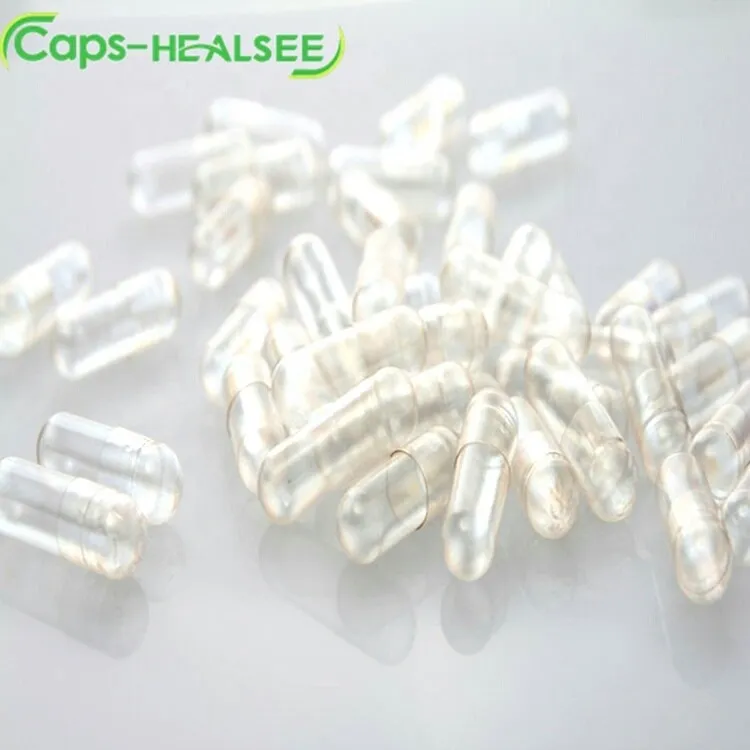
A manufacturer of vitamin C supplements was experiencing problems with the stability of their product. The vitamin C in their gelatin capsules was degrading rapidly, resulting in a loss of potency and a shorter shelf life. To address this issue, the manufacturer switched to using Clear size 00 empty vegetarian capsules. The low moisture content and excellent barrier properties of the vegetable capsules helped to prevent the oxidation of the vitamin C and extend the shelf life of the product. As a result, the manufacturer was able to improve the quality and stability of their vitamin C supplement and reduce the number of returns from customers.
Case Study 2: Probiotic Supplement
A company that produces probiotic supplements was looking for a way to improve the stability of their product. The probiotics in their gelatin capsules were losing their viability due to the high moisture content and oxygen permeability of the capsules. To solve this problem, the company switched to using Vacant Vegetarian Capsule. The low moisture content and excellent oxygen barrier properties of the vegetable capsules helped to protect the probiotics from degradation and maintain their viability. As a result, the company was able to improve the quality and effectiveness of their probiotic supplement and increase customer satisfaction.
Conclusion
In conclusion, vegetable capsules are an excellent choice for encapsulating supplements due to their ability to ensure the stability of the enclosed ingredients over time. Their low moisture content, excellent barrier properties, compatibility with supplements, and rigorous manufacturing process all contribute to their effectiveness in protecting the supplement from degradation and maintaining its efficacy.
As a supplier of vegetable capsules, we are committed to providing our customers with high-quality products that meet their specific needs. Our Vegan Capsule, Clear size 00 empty vegetarian capsules, and Vacant Vegetarian Capsule are all manufactured using the latest technology and strict quality control measures to ensure their reliability and performance.
If you are interested in learning more about our vegetable capsules or would like to discuss your specific requirements, please do not hesitate to contact us. We look forward to working with you to provide the best encapsulation solutions for your supplements.
References
- "Vegetable Capsules: A Review of Their Properties and Applications in the Pharmaceutical and Nutraceutical Industries." Journal of Pharmaceutical Sciences.
- "The Stability of Supplements in Vegetable Capsules." International Journal of Pharmaceutics.
- "Manufacturing and Quality Control of Vegetable Capsules." Pharmaceutical Technology.


