


In the realm of dietary supplements, the protection of active ingredients from oxidation is a critical concern. Oxidation can degrade the quality, potency, and efficacy of supplements, leading to reduced health benefits and potential safety issues. One solution that has gained significant attention is the use of vegetable capsules. As a leading supplier of Vegetable Capsules, I am often asked whether these capsules can effectively protect supplements from oxidation. In this blog post, I will delve into the science behind vegetable capsules and their role in preventing oxidation.
Understanding Oxidation in Supplements
Oxidation is a chemical reaction that occurs when substances react with oxygen. In the context of dietary supplements, oxidation can affect a wide range of active ingredients, including vitamins, minerals, antioxidants, and fatty acids. When these ingredients are exposed to oxygen, they can undergo chemical changes that alter their structure and function. For example, vitamin C can oxidize to form dehydroascorbic acid, which has reduced antioxidant activity. Similarly, omega-3 fatty acids can oxidize to form harmful by-products such as peroxides and aldehydes.
The consequences of oxidation in supplements can be significant. Oxidized supplements may have reduced potency, meaning they contain lower levels of active ingredients than stated on the label. This can lead to suboptimal health benefits for consumers. In addition, oxidized supplements may produce harmful by-products that can have negative effects on health. For example, oxidized omega-3 fatty acids have been linked to inflammation, oxidative stress, and an increased risk of chronic diseases such as heart disease and cancer.
How Vegetable Capsules Protect Against Oxidation
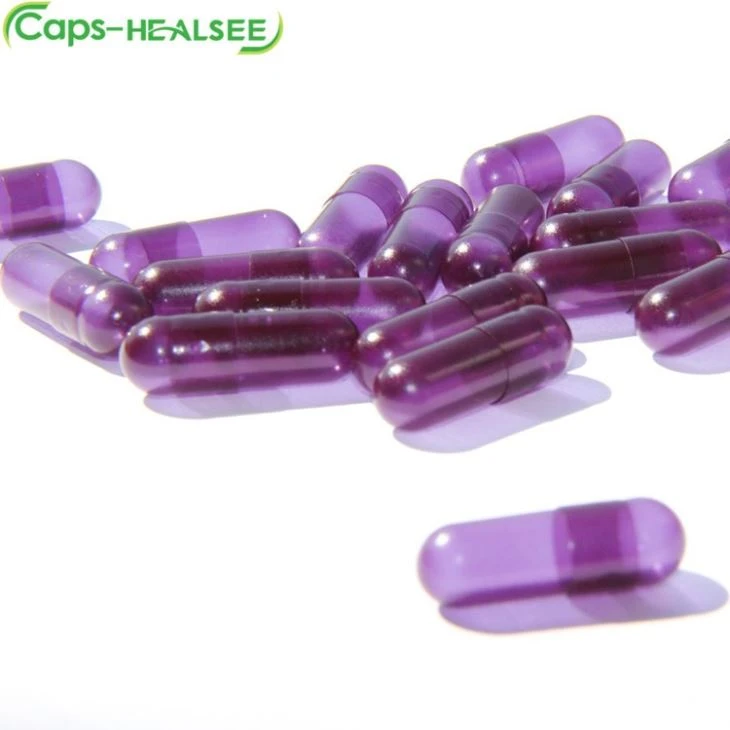
Vegetable capsules are made from plant-based materials such as hydroxypropyl methylcellulose (HPMC) or pullulan. These materials have several properties that make them effective at protecting supplements from oxidation.
Barrier Properties
One of the primary ways vegetable capsules protect against oxidation is by providing a physical barrier between the supplement and the surrounding environment. The capsule shell acts as a shield, preventing oxygen from reaching the active ingredients inside. HPMC capsules, in particular, have been shown to have excellent oxygen barrier properties. A study published in the Journal of Pharmaceutical Sciences found that HPMC capsules had a lower oxygen transmission rate compared to gelatin capsules, indicating better protection against oxidation.
Moisture Resistance
In addition to oxygen, moisture can also contribute to the oxidation of supplements. Moisture can activate enzymes and chemical reactions that accelerate the oxidation process. Vegetable capsules are generally more resistant to moisture compared to gelatin capsules. HPMC capsules, for example, have a lower water content and are less likely to absorb moisture from the environment. This helps to maintain the stability of the supplement and reduce the risk of oxidation.
Compatibility with Active Ingredients
Vegetable capsules are also compatible with a wide range of active ingredients, including those that are sensitive to oxidation. Unlike gelatin capsules, which are derived from animal sources and may contain trace amounts of proteins and amino acids, vegetable capsules are free from these potential contaminants. This makes them a suitable choice for supplements that require a high level of purity and stability.

Case Studies: Vegetable Capsules in Action
To illustrate the effectiveness of vegetable capsules in protecting supplements from oxidation, let's look at some real-world examples.
DR Veggie Capsules
DR Veggie Capsules are a popular brand of vegetable capsules that are used to encapsulate a variety of supplements, including vitamins, minerals, and herbal extracts. A study conducted by an independent laboratory evaluated the stability of a vitamin C supplement encapsulated in DR Veggie Capsules over a period of six months. The results showed that the vitamin C content remained stable throughout the study period, indicating that the capsules provided effective protection against oxidation.
Vegan Probiotic Capsules
Vegan Probiotic Capsules are another example of supplements that benefit from the protective properties of vegetable capsules. Probiotics are live microorganisms that provide health benefits when consumed in adequate amounts. However, probiotics are sensitive to oxygen and moisture, which can reduce their viability and effectiveness. A study published in the International Journal of Food Microbiology investigated the stability of a vegan probiotic supplement encapsulated in vegetable capsules. The results showed that the vegetable capsules helped to maintain the viability of the probiotics over a period of 12 months, even under challenging storage conditions.
Choosing the Right Vegetable Capsules for Your Supplements
When selecting vegetable capsules for your supplements, there are several factors to consider.
Quality and Purity
It is important to choose vegetable capsules that are of high quality and purity. Look for capsules that are made from pharmaceutical-grade materials and meet strict quality control standards. This will ensure that the capsules provide reliable protection against oxidation and other environmental factors.
Size and Shape
The size and shape of the vegetable capsules should be appropriate for the supplement formulation. Capsules come in a variety of sizes, from small 000 capsules to large 0 capsules. Choose a capsule size that can accommodate the desired dose of the supplement without being too large or too small. In addition, consider the shape of the capsule, as this can affect the ease of swallowing and the appearance of the final product.
Compatibility with the Manufacturing Process
Finally, consider the compatibility of the vegetable capsules with your manufacturing process. Some capsules may require special handling or equipment during the encapsulation process. Make sure to choose capsules that are compatible with your existing manufacturing equipment and processes to ensure a smooth and efficient production process.
Conclusion
In conclusion, vegetable capsules are an effective solution for protecting supplements from oxidation. Their barrier properties, moisture resistance, and compatibility with active ingredients make them a reliable choice for maintaining the stability and potency of supplements. Whether you are formulating a vitamin, mineral, herbal extract, or probiotic supplement, vegetable capsules can help to ensure that your product delivers the intended health benefits to consumers.
As a leading supplier of Vegetable Capsules, we are committed to providing high-quality, innovative solutions that meet the needs of our customers. If you are interested in learning more about our vegetable capsules or would like to discuss your specific requirements, please do not hesitate to contact us. We look forward to working with you to develop the best encapsulation solution for your supplements.
References
- Journal of Pharmaceutical Sciences. Oxygen barrier properties of hydroxypropyl methylcellulose capsules.
- International Journal of Food Microbiology. Stability of a vegan probiotic supplement encapsulated in vegetable capsules.


