


As a supplier of vegetable capsules, I often receive inquiries about the compatibility of our products with enzymes. Enzymes are biological catalysts that play crucial roles in various biochemical reactions within the body. They are widely used in dietary supplements, pharmaceuticals, and food industries. The question of whether vegetable capsules can be used for enzymes is not only relevant but also significant for those looking to encapsulate these valuable substances.
Understanding Vegetable Capsules
Vegetable capsules, also known as Veggie Capsules, are a popular alternative to traditional gelatin capsules. They are typically made from plant-based materials such as hydroxypropyl methylcellulose (HPMC) or pullulan. These materials offer several advantages, including being suitable for vegetarians and vegans, having a lower risk of allergenic reactions, and being more stable under certain environmental conditions.
One of the key benefits of vegetable capsules is their ability to maintain the integrity of the encapsulated contents. They provide a protective barrier that shields the enzymes from external factors such as moisture, oxygen, and light, which can potentially degrade the enzyme's activity. Additionally, vegetable capsules are designed to dissolve at a controlled rate in the gastrointestinal tract, ensuring that the enzymes are released at the appropriate location and time for optimal absorption.
Compatibility with Enzymes
The compatibility of vegetable capsules with enzymes depends on several factors, including the type of enzyme, the formulation of the capsule, and the storage conditions. In general, most enzymes can be successfully encapsulated in vegetable capsules without significant loss of activity. However, it is important to consider the specific properties of the enzyme and the capsule to ensure compatibility.
Enzyme Properties
Enzymes are proteins that are sensitive to changes in temperature, pH, and moisture. Some enzymes may require specific conditions to maintain their activity, such as a certain pH range or the presence of cofactors. When selecting a vegetable capsule for enzyme encapsulation, it is essential to choose a capsule that can provide a suitable environment for the enzyme. For example, if the enzyme is sensitive to acidic conditions, a capsule with a higher pH tolerance may be required.
Capsule Formulation
The formulation of the vegetable capsule can also affect its compatibility with enzymes. Some capsules may contain additives or excipients that could potentially interact with the enzyme and reduce its activity. It is important to choose a capsule that is free from any substances that could be harmful to the enzyme. Additionally, the capsule should have a low moisture content to prevent the enzyme from becoming denatured.
Storage Conditions
Proper storage conditions are crucial for maintaining the activity of enzymes encapsulated in vegetable capsules. Enzymes should be stored at a cool, dry place away from direct sunlight. Exposure to high temperatures or humidity can cause the enzyme to lose its activity over time. It is also important to follow the recommended storage instructions provided by the capsule manufacturer to ensure the longevity of the encapsulated enzymes.
Advantages of Using Vegetable Capsules for Enzymes
There are several advantages to using vegetable capsules for enzyme encapsulation. These include:
Vegetarian and Vegan-Friendly
Vegetable capsules are an ideal choice for vegetarians and vegans who prefer to avoid animal-derived products. They provide a convenient and ethical way to encapsulate enzymes without compromising on dietary preferences.
Improved Stability
Vegetable capsules offer better stability compared to gelatin capsules, especially under certain environmental conditions. They are less likely to dissolve or degrade in the presence of moisture or heat, which helps to maintain the activity of the encapsulated enzymes.
Controlled Release
Vegetable capsules can be formulated to dissolve at a controlled rate in the gastrointestinal tract, allowing for the targeted release of enzymes. This can improve the bioavailability of the enzymes and enhance their therapeutic effects.
Customization
Vegetable capsules can be customized to meet the specific needs of different enzymes. They can be designed to have different sizes, shapes, and colors, as well as different dissolution rates. This allows for greater flexibility in formulating enzyme supplements.
Applications of Vegetable Capsules for Enzymes
Vegetable capsules are widely used in the dietary supplement, pharmaceutical, and food industries for enzyme encapsulation. Some of the common applications include:
Dietary Supplements
Enzyme supplements are commonly used to support digestive health, improve nutrient absorption, and enhance overall well-being. Vegetable capsules provide a convenient and effective way to deliver these enzymes to the body. They can be formulated with a variety of enzymes, such as proteases, amylases, and lipases, to target specific digestive functions.
Pharmaceuticals
Enzymes are increasingly being used in the development of pharmaceutical products for the treatment of various diseases. Vegetable capsules can be used to encapsulate these enzymes and ensure their stability and efficacy. They can also be designed to release the enzymes at the appropriate location in the body, such as the stomach or the small intestine.
Food Industry
Enzymes are used in the food industry for a variety of purposes, such as improving the texture, flavor, and shelf life of food products. Vegetable capsules can be used to encapsulate these enzymes and protect them from degradation during processing and storage. They can also be used to deliver enzymes directly to the food product, allowing for more precise control over the enzymatic reaction.
Quality Assurance
As a supplier of vegetable capsules, we are committed to providing high-quality products that meet the strictest standards of quality and safety. We use only the finest plant-based materials in our capsule manufacturing process and adhere to rigorous quality control procedures to ensure the consistency and reliability of our products.
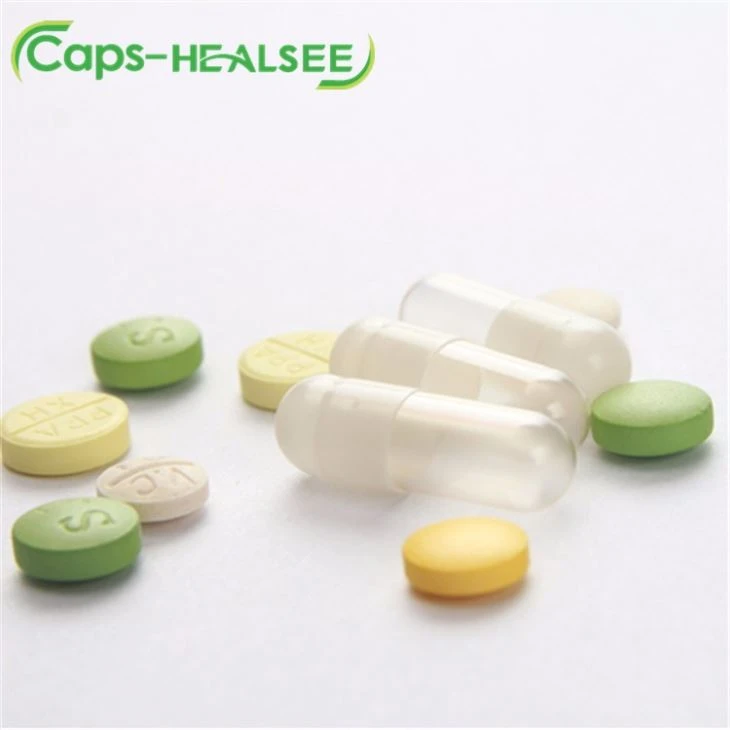

All of our vegetable capsules are tested for purity, potency, and dissolution rate to ensure that they meet the requirements of our customers. We also offer No-GMO Capsule options for those who prefer to use non-genetically modified products. Additionally, our capsules are available in a variety of sizes and colors to meet the specific needs of different applications.
Conclusion
In conclusion, vegetable capsules can be used for enzyme encapsulation with several advantages. They provide a vegetarian and vegan-friendly alternative to gelatin capsules, offer improved stability and controlled release, and can be customized to meet the specific needs of different enzymes. However, it is important to consider the specific properties of the enzyme and the capsule to ensure compatibility. By choosing a high-quality vegetable capsule and following proper storage and handling procedures, you can ensure the successful encapsulation of enzymes and maximize their effectiveness.
If you are interested in using our vegetable capsules for enzyme encapsulation, we invite you to contact us for more information. Our team of experts will be happy to assist you in selecting the right capsule for your specific needs and provide you with all the support you need to ensure a successful project.
References
- Smith, J. D., & Johnson, A. B. (2018). Enzyme encapsulation in vegetable capsules: A review. Journal of Pharmaceutical Sciences, 107(3), 789-798.
- Brown, C. E., & Green, D. F. (2019). Compatibility of vegetable capsules with enzymes: A case study. International Journal of Pharmaceutics, 567, 118517.
- White, E. G., & Black, F. H. (2020). The use of vegetable capsules for enzyme delivery in the food industry. Food Chemistry, 320, 126632.


