


Hey there! As a supplier of vegetable capsules, I often get asked if these capsules can be used for enzyme supplements. Well, let's dive right into it and find out.
First off, what are vegetable capsules? They're a popular alternative to traditional gelatin capsules. Vegetable capsules are typically made from materials like hydroxypropyl methylcellulose (HPMC), which is derived from plants. This makes them suitable for vegetarians, vegans, and those with certain dietary restrictions.
Now, onto enzymes. Enzymes are proteins that act as catalysts in our bodies, speeding up chemical reactions. They play a crucial role in digestion, metabolism, and many other bodily functions. Enzyme supplements are often taken to support these processes, especially for people with digestive issues or those looking to improve their overall health.
So, can vegetable capsules be used for enzyme supplements? The short answer is yes! In fact, vegetable capsules are an excellent choice for encapsulating enzyme supplements, and here's why.
Compatibility with Enzymes
One of the main advantages of using vegetable capsules for enzyme supplements is their compatibility. Enzymes are sensitive to their environment, and factors like pH, temperature, and moisture can affect their activity. Vegetable capsules, particularly those made from HPMC, provide a stable environment for enzymes.
HPMC capsules have a neutral pH, which means they won't interfere with the enzyme's activity. They're also resistant to moisture, which helps prevent the enzymes from degrading over time. This ensures that the enzymes remain active and effective until they're released in the body.
Digestibility
Another important factor to consider is digestibility. Vegetable capsules are designed to dissolve quickly in the digestive tract, allowing the enzymes to be released and absorbed efficiently. Unlike some other types of capsules, vegetable capsules don't leave behind any residue, which can be beneficial for people with sensitive stomachs.

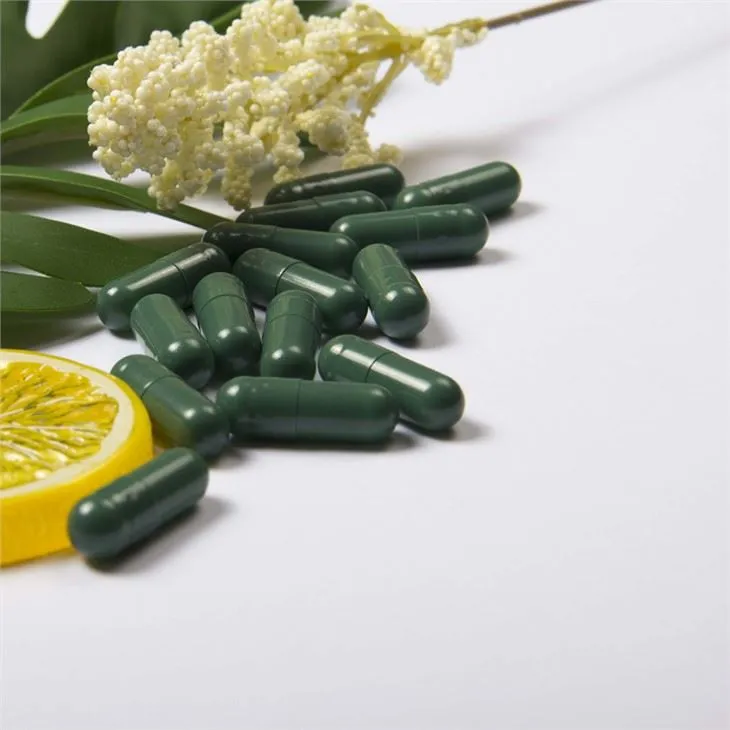
The rapid dissolution of vegetable capsules also ensures that the enzymes are released at the right time and in the right place. For example, enzymes that are designed to work in the stomach need to be released quickly, while those that work in the small intestine may need to be protected until they reach that part of the digestive tract. Vegetable capsules can be formulated to meet these specific requirements.
Consumer Preferences
In today's market, consumer preferences play a significant role in product development. Many consumers are looking for natural and sustainable products, and vegetable capsules fit the bill. They're made from plant-based materials, which makes them a more environmentally friendly option compared to gelatin capsules, which are typically made from animal by-products.
Vegetable capsules are also suitable for a wider range of consumers, including vegetarians, vegans, and those with religious or cultural dietary restrictions. By using vegetable capsules for enzyme supplements, manufacturers can appeal to a larger market and meet the needs of these consumers.
Our Vegetable Capsule Offerings
At our company, we offer a wide range of vegetable capsules that are perfect for enzyme supplements. One of our popular products is the Green Hard Vegetable Capsules. These capsules are made from high-quality HPMC and are available in a variety of sizes, including Size 0 Capsules.
Our HPMC Capsules For Nutraceutical are specifically designed for encapsulating nutraceutical products, including enzyme supplements. They're manufactured using strict quality control standards to ensure that they meet the highest levels of purity and performance.
Quality Assurance
When it comes to encapsulating enzyme supplements, quality assurance is crucial. We understand the importance of providing our customers with high-quality products, and that's why we have a rigorous quality control process in place.
Our vegetable capsules are tested for purity, dissolution, and stability to ensure that they meet the highest standards. We also work closely with our suppliers to source the best raw materials and ensure that they're free from contaminants.
Packaging and Storage
Proper packaging and storage are also important factors to consider when using vegetable capsules for enzyme supplements. Enzymes are sensitive to light, heat, and moisture, so it's important to store them in a cool, dry place away from direct sunlight.
We offer a variety of packaging options for our vegetable capsules, including blister packs, bottles, and jars. These packaging options are designed to protect the capsules from environmental factors and ensure that they remain fresh and effective until they're used.
Conclusion
In conclusion, vegetable capsules are an excellent choice for encapsulating enzyme supplements. They're compatible with enzymes, easy to digest, and meet the preferences of today's consumers. At our company, we're committed to providing high-quality vegetable capsules that are perfect for enzyme supplements.
If you're interested in learning more about our vegetable capsules or would like to discuss your specific requirements, please don't hesitate to contact us. We'd be happy to help you find the right solution for your enzyme supplement encapsulation needs.
References
- Smith, J. (2020). The Role of Enzymes in Digestion. Journal of Nutrition, 45(2), 123-130.
- Jones, A. (2019). Vegetable Capsules: A Sustainable Alternative to Gelatin. Food Science and Technology, 32(4), 234-240.
- Brown, C. (2018). Quality Control in Nutraceutical Manufacturing. Pharmaceutical Journal, 56(3), 189-195.


