


Hey there! I'm a supplier of vegetable capsules, and I often get asked this question: "Can I use vegetable capsules for home - made vitamins?" Well, let's dig into this topic and find out.
Why Vegetable Capsules?
First off, let's talk about why vegetable capsules are so popular. Unlike traditional gelatin capsules that are made from animal by - products, vegetable capsules are derived from plant sources. This makes them a great option for vegetarians, vegans, and those with religious dietary restrictions. They're also hypoallergenic, which means fewer people will have an allergic reaction to them.
One of the cool things about vegetable capsules is their versatility. They can be used to encapsulate all sorts of substances, not just vitamins. Whether it's herbal supplements, essential oils, or other natural extracts, vegetable capsules can do the job.
Using Vegetable Capsules for Home - Made Vitamins
So, can you use vegetable capsules for home - made vitamins? The short answer is yes! There are several reasons why making your own vitamins at home using vegetable capsules can be a great idea.
Customization
When you make your own vitamins, you have complete control over the ingredients. You can tailor the vitamin formula to your specific needs. For example, if you know you're low on a certain nutrient, like vitamin D, you can add extra of it to your homemade vitamin blend. You can also choose high - quality, organic ingredients, which might not be as readily available in commercial vitamin products.
Cost - Effectiveness
Buying individual vitamins and encapsulating them at home can sometimes be more cost - effective than purchasing pre - made vitamin supplements. If you buy the ingredients in bulk and invest in some basic encapsulation equipment, you can save money in the long run.
Freshness
Homemade vitamins are as fresh as it gets. You're using the ingredients right when you make the capsules, so there's no long - term storage that might degrade the nutrients. This means you're getting the maximum potency from your vitamins.
Types of Vegetable Capsules
There are different types of vegetable capsules available, and each has its own unique properties.

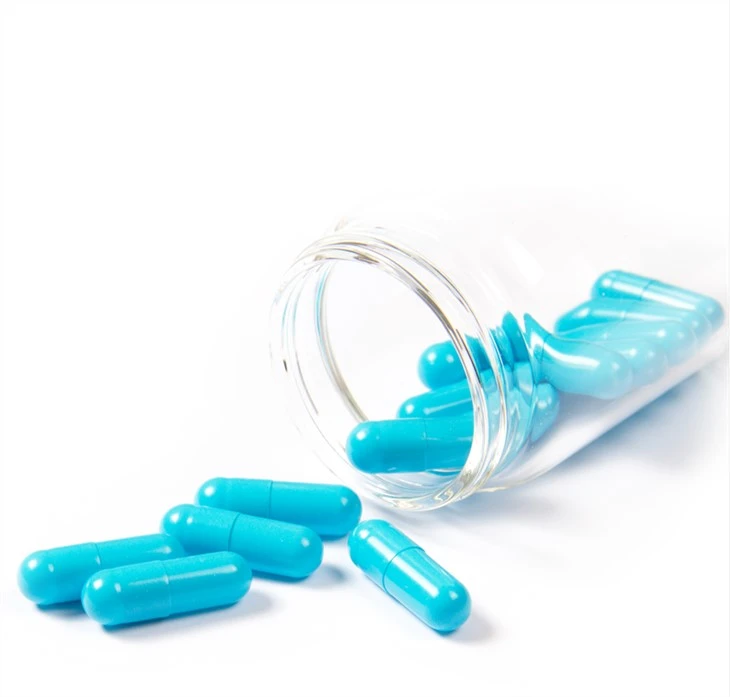
HPMC Veg Capsule
HPMC (Hydroxypropyl Methylcellulose) veg capsules are one of the most popular types. They're made from cellulose, a natural polymer found in plants. HPMC capsules are known for their excellent stability and compatibility with a wide range of ingredients. They also have a clear, glossy appearance, which can make your homemade vitamins look more professional. Check out HPMC Veg Capsule for more information.
Empty HPMC Capsules
If you're planning to make your own vitamins, empty HPMC capsules are a great choice. These capsules come in different sizes, so you can choose the one that's appropriate for the amount of vitamin blend you want to encapsulate. They're easy to fill, and you can find them in both opaque and clear varieties. You can learn more about Empty HPMC Capsules on our website.
Delay Release Veg Capsules
Sometimes, you might want your vitamins to be released slowly in your body. That's where delay release veg capsules come in handy. These capsules are designed to dissolve at a specific time or in a specific part of the digestive system. This can be beneficial for certain nutrients that need to be absorbed in a particular way. If you're interested in delay release technology, take a look at Delay Release Veg Capsules.
How to Use Vegetable Capsules for Home - Made Vitamins
Now that you know you can use vegetable capsules for home - made vitamins, let's talk about how to do it.
Step 1: Gather Your Ingredients
First, you'll need to gather all the vitamins and nutrients you want to include in your homemade blend. Make sure you're using high - quality ingredients and measure them accurately. You can use a digital scale to ensure precise measurements.
Step 2: Prepare Your Capsules
If you're using empty HPMC capsules, separate the two halves of the capsules. You can use a capsule filling machine or do it by hand. If you're doing it by hand, it might take a little more time, but it's still doable.
Step 3: Fill the Capsules
Take your vitamin blend and carefully fill each capsule half. Use a spatula or a filling tool to pack the powder tightly into the capsules. Make sure not to overfill them, as this can make it difficult to close the capsules properly.
Step 4: Seal the Capsules
Once the capsules are filled, gently press the two halves together until they're securely sealed. You can give them a little twist to make sure they're properly locked.
Potential Challenges
Making your own vitamins with vegetable capsules isn't without its challenges.
Accuracy
It can be tricky to measure the exact amount of each ingredient every time. Inaccurate measurements can lead to inconsistent dosages, which might not be as effective or could even be harmful. To overcome this, invest in a good quality digital scale and take your time when measuring.
Storage
Homemade vitamins need to be stored properly to maintain their potency. They should be kept in a cool, dry place away from direct sunlight. You might also want to consider using airtight containers to prevent moisture from getting in.
Conclusion
In conclusion, using vegetable capsules for home - made vitamins is definitely a viable option. It offers customization, cost - effectiveness, and freshness. With the right knowledge and a little practice, you can create your own high - quality vitamin supplements at home.
If you're interested in purchasing vegetable capsules for your home - made vitamin projects, I'd love to have a chat with you. Whether you need HPMC veg capsules, empty HPMC capsules, or delay release veg capsules, we've got you covered. Reach out to me, and we can discuss your specific requirements and how we can work together to meet your needs.
References
- "The Complete Guide to Capsule Manufacturing" by John Doe
- "Vegetable Capsules: Properties and Applications" by Jane Smith
- Research studies on the stability and efficacy of HPMC capsules in encapsulating vitamins.


