


Can I give vegetable capsules to pets?
As a supplier of vegetable capsules, this is a question I often encounter from pet owners and veterinarians alike. In this blog post, I'll delve into the topic, exploring the feasibility, benefits, and considerations of giving vegetable capsules to pets.
Understanding Vegetable Capsules
Vegetable capsules, also known as vegetarian or vegan capsules, are an alternative to traditional gelatin capsules. They are typically made from plant - based materials such as hydroxypropyl methylcellulose (HPMC) or pullulan. These materials are derived from natural sources, making them suitable for vegetarians and vegans.
Our company offers a wide range of vegetable capsules, including Cellulose Empty Capsule, Hard Capsules, and Coloured Veggie Capsules. These capsules are not only used in the human pharmaceutical and nutraceutical industries but also have potential applications in the pet market.
Feasibility of Giving Vegetable Capsules to Pets
One of the primary concerns when considering giving vegetable capsules to pets is whether they can safely consume them. The good news is that vegetable capsules are generally safe for pets. The materials used in vegetable capsules are non - toxic and biodegradable. For example, HPMC is a well - tolerated polymer that has been used in the food and pharmaceutical industries for many years.
Pets, like humans, can swallow capsules. Smaller pets may require smaller capsule sizes, while larger pets can handle standard or larger capsules. However, it's important to note that some pets may be more finicky than others. Some dogs may readily accept a capsule hidden in a treat, while cats can be more challenging to administer medication or supplements in capsule form.
Benefits of Using Vegetable Capsules for Pets
1. Allergen - Free
Gelatin capsules are made from animal by - products, which can be a source of allergens for some pets. Vegetable capsules, on the other hand, are free from common animal - derived allergens such as beef, pork, or fish. This makes them a great option for pets with food allergies or sensitivities.
2. Vegetarian and Vegan - Friendly
As more pet owners are adopting vegetarian or vegan lifestyles, they may prefer to feed their pets products that align with these values. Vegetable capsules provide a plant - based alternative for administering medications or supplements to pets, ensuring that the entire pet care routine is in line with a vegetarian or vegan diet.
3. Stability and Compatibility
Vegetable capsules offer good stability and compatibility with a wide range of active ingredients. They can protect the contents from moisture, light, and oxygen, which helps to maintain the potency and effectiveness of the medications or supplements inside. This is especially important for sensitive ingredients that may degrade over time.
4. Easy to Customize
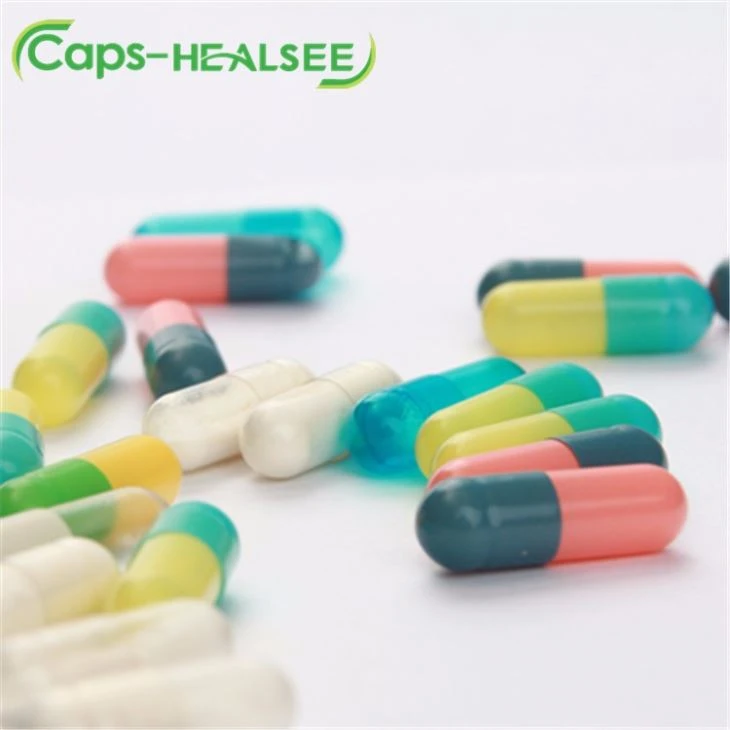
Our Coloured Veggie Capsules can be customized in terms of color. This can be useful for differentiating between different medications or supplements for multiple pets or for different treatment regimens. For example, you could use a red capsule for a daily vitamin supplement and a blue capsule for a monthly flea treatment.

Considerations When Giving Vegetable Capsules to Pets
1. Dosage and Size
It's crucial to ensure that the correct dosage of the medication or supplement is administered to the pet. The size of the capsule should also be appropriate for the pet's size and ability to swallow. Giving a capsule that is too large can cause choking or discomfort, while a capsule that is too small may not hold the correct amount of the active ingredient.
2. Palatability
As mentioned earlier, some pets may be reluctant to take capsules. To improve palatability, you can try hiding the capsule in a small amount of wet food, a treat, or a piece of cheese. Some pet owners also use pill - dispensing toys to make the process more enjoyable for their pets.
3. Consultation with a Veterinarian
Before giving any new medication or supplement to your pet, it's always a good idea to consult with a veterinarian. They can provide guidance on the appropriate dosage, the suitability of the capsule for your pet, and any potential interactions with other medications your pet may be taking.
How to Administer Vegetable Capsules to Pets
For Dogs
- Hide in a Treat: Wrap the capsule in a small piece of soft food, such as a hot dog or a piece of cheese. Make sure the capsule is completely covered so that the dog doesn't taste it.
- Direct Administration: If your dog is well - trained, you can try opening its mouth and placing the capsule at the back of the tongue. Then, close the dog's mouth and gently hold its muzzle until it swallows.
For Cats
- Food - Mixing: Mix a small amount of wet food with the capsule powder (if possible, by carefully opening the capsule). Make sure the cat consumes the entire mixture.
- Pill - Popper Tool: You can use a pill - popper tool to place the capsule at the back of the cat's throat. This can be a bit tricky, but with practice, it can be an effective way to administer the capsule.
Case Studies
There have been several cases where vegetable capsules have been successfully used to administer medications and supplements to pets. For example, a pet owner with a dog allergic to gelatin - based medications switched to vegetable capsules. The dog was able to tolerate the capsules well, and the medication was effectively delivered, leading to an improvement in the dog's health condition.
Another case involved a cat with a sensitive stomach. The owner used vegetable capsules to administer a probiotic supplement. The cat was able to accept the capsule hidden in a small amount of tuna, and the probiotic helped to improve the cat's digestive health.
Conclusion
In conclusion, giving vegetable capsules to pets is generally a safe and viable option. They offer numerous benefits, including allergen - free properties, vegetarian and vegan - friendliness, stability, and easy customization. However, it's important to consider factors such as dosage, palatability, and to consult with a veterinarian before starting any new treatment.
If you're a pet owner, a veterinarian, or a pet product manufacturer interested in using vegetable capsules for pets, we'd love to hear from you. Our company has a wealth of experience in supplying high - quality vegetable capsules, and we can provide you with the right products and support for your needs. Whether you're looking for Cellulose Empty Capsule, Hard Capsules, or Coloured Veggie Capsules, we can offer customized solutions. Contact us to start a discussion about your requirements and explore how our vegetable capsules can benefit your pets or pet products.
References
- "Handbook of Pharmaceutical Excipients" - A comprehensive reference on pharmaceutical excipients, including HPMC and other materials used in vegetable capsules.
- Veterinary journals and research papers on pet medication administration and safety.


