


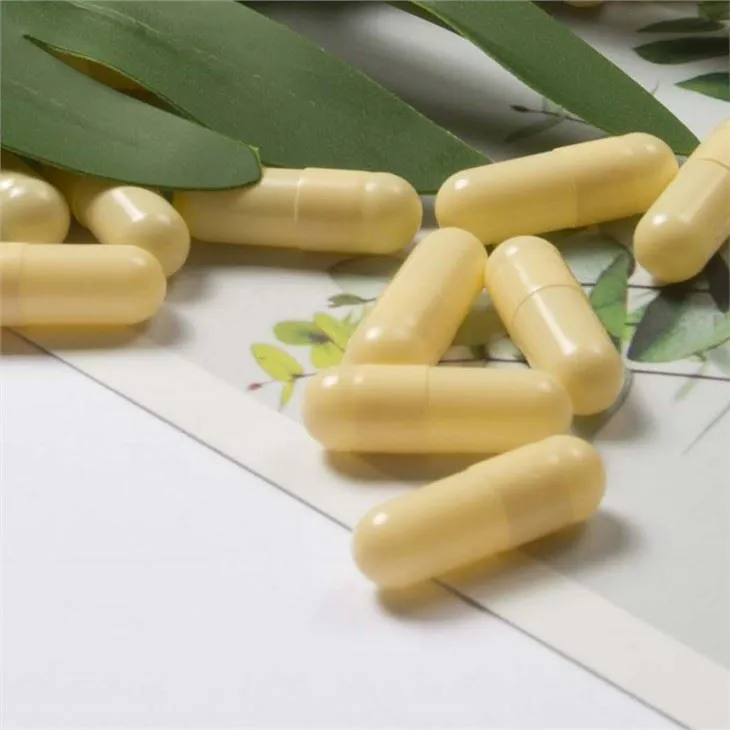
Veggie capsules have gained significant popularity in recent years, especially among consumers looking for plant - based alternatives to traditional gelatin capsules. As a leading supplier of [Veggie Capsules], I've received numerous inquiries regarding whether veggie capsules are more or less likely to stick together. In this blog post, I'll explore the factors influencing the sticking tendency of veggie capsules, backed by scientific knowledge and real - world experience.
Composition of Veggie Capsules
Veggie capsules are typically made from plant - derived materials such as hydroxypropyl methylcellulose (HPMC) or pullulan. HPMC capsules are widely used due to their excellent compatibility with a variety of fill materials and their ability to meet the needs of vegetarian and vegan consumers. Pullulan capsules, on the other hand, are known for their high purity and low moisture content.
The chemical structure of these materials plays a crucial role in determining their sticking behavior. HPMC is a semi - synthetic polymer with a relatively hydrophilic nature. This means it can absorb moisture from the surrounding environment. When the moisture content in the capsules increases, the intermolecular forces between the capsule walls can change, potentially leading to sticking. Pullulan, however, has a more hydrophobic surface, which makes it less likely to absorb moisture and thus less prone to sticking under normal conditions.

Environmental Factors
One of the most significant factors affecting the sticking of veggie capsules is the environmental humidity. High humidity levels can cause the capsules to absorb water vapor. As the moisture is absorbed, the capsule material softens, and the capsules may start to adhere to each other. In a study published in the Journal of Pharmaceutical Sciences, researchers found that HPMC capsules stored at a relative humidity above 70% were more likely to stick together compared to those stored at lower humidity levels.
Temperature also plays a role. Elevated temperatures can accelerate the moisture absorption process and increase the mobility of the polymer chains in the capsule material. This can lead to a higher probability of sticking. For example, in a warm and humid warehouse, the risk of capsule sticking is much greater than in a cool and dry storage facility.
Manufacturing Process
The manufacturing process of veggie capsules can also influence their sticking behavior. During the production of HPMC capsules, the viscosity of the HPMC solution, the drying conditions, and the addition of other excipients can all have an impact. If the drying process is not carried out properly, the capsules may retain too much moisture, increasing the likelihood of sticking.
Moreover, the presence of impurities or additives in the capsule material can affect its surface properties. For instance, if there are small particles or aggregates in the capsule wall, they can act as points of contact between capsules, promoting sticking. Our company takes great care in the manufacturing process to ensure that the capsules are properly dried and free from impurities. We use advanced technologies to control the moisture content and the quality of the capsule material, reducing the risk of sticking.
Fill Material
The type of fill material used in the capsules can also contribute to the sticking problem. Some fill materials are hygroscopic, meaning they can absorb moisture from the environment and transfer it to the capsule walls. Powders with high moisture - absorbing capacity, such as certain herbal extracts or amino acids, can increase the moisture content of the capsules and cause them to stick.
In addition, the physical properties of the fill material, such as particle size and shape, can affect the way the capsules interact with each other. Fine powders may be more likely to get trapped between the capsules, creating a bridge that promotes sticking. Our technical team works closely with customers to understand their fill materials and provide appropriate capsule solutions to minimize the risk of sticking.
Comparing with Gelatin Capsules
When comparing veggie capsules with traditional gelatin capsules, the sticking behavior is different. Gelatin capsules are made from animal - derived collagen. They are generally more sensitive to humidity and temperature changes than HPMC capsules. Gelatin capsules can form a gel - like substance when exposed to high humidity, which can cause them to stick together more easily.
However, gelatin capsules have a longer history of use in the pharmaceutical and nutraceutical industries, and there are well - established methods for preventing sticking, such as the addition of lubricants. Veggie capsules, especially those made from HPMC, offer a more stable option in terms of sticking under certain conditions, especially when stored in a controlled environment.
Our Solutions
As a supplier of veggie capsules, we offer a range of products designed to minimize the risk of sticking. Our Empty Vegan Capsules are made from high - quality HPMC with strict quality control during the manufacturing process. We ensure that the capsules have a consistent moisture content and a smooth surface, reducing the chance of sticking.
Our ZnO Vegetable Capsule is another option that is less likely to stick. The unique formulation of this capsule provides better moisture resistance and stability. For customers with specific requirements, such as Halal - compliant products, our Halal Empty Veggie Capsules are manufactured under strict Halal standards and are designed to maintain their integrity and non - sticking properties.
Conclusion
In conclusion, whether veggie capsules are more or less likely to stick together depends on a variety of factors, including the capsule material, environmental conditions, manufacturing process, and fill material. While HPMC capsules may be more prone to sticking under high humidity and temperature conditions, proper storage and manufacturing techniques can significantly reduce this risk. Pullulan capsules, on the other hand, are generally less likely to stick due to their hydrophobic nature.
As a reliable supplier of veggie capsules, we are committed to providing high - quality products that meet the needs of our customers. If you are interested in purchasing veggie capsules or have any questions regarding their sticking behavior, please feel free to contact us for further discussion and procurement negotiation. We look forward to working with you to find the best capsule solutions for your products.
References
- Journal of Pharmaceutical Sciences. Study on the effect of environmental humidity on HPMC capsules.
- Research on the comparison of sticking behavior between gelatin and HPMC capsules.


