


Are vegetable capsules water-soluble? This is a question that often comes up in the pharmaceutical, nutraceutical, and food industries. As a vegetable capsule supplier, I've encountered this query numerous times from clients, and I'm here to provide a comprehensive answer based on scientific facts.
Understanding Vegetable Capsules
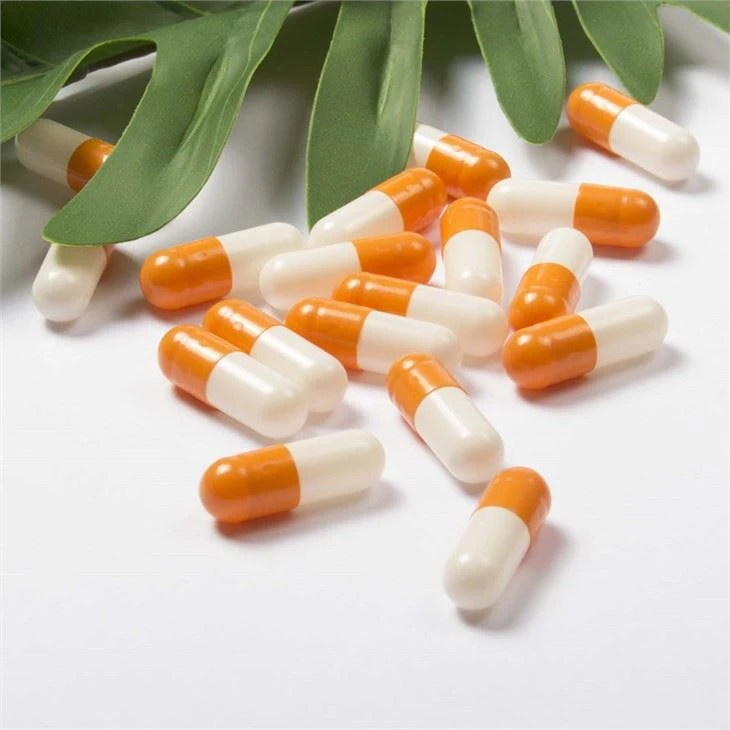
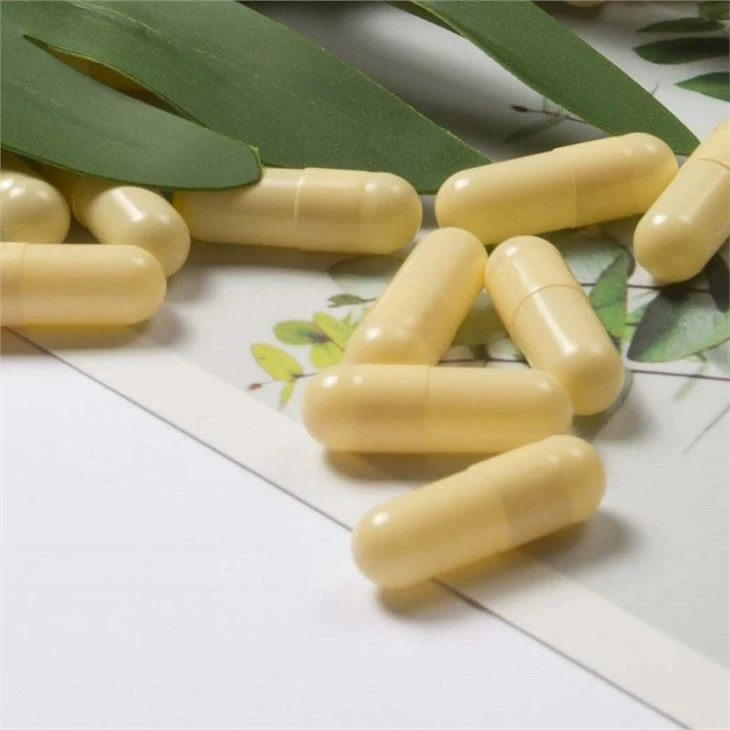
Vegetable capsules, also known as plant-based capsules, have gained significant popularity in recent years due to their numerous advantages over traditional gelatin capsules. They are made from natural plant sources such as cellulose, starch, or carrageenan, making them suitable for vegetarians, vegans, and those with religious or dietary restrictions.
One of the key benefits of vegetable capsules is their compatibility with a wide range of fill materials, including powders, liquids, and semi-solids. They also offer excellent stability and protection for the encapsulated ingredients, ensuring their integrity and efficacy.
Water Solubility of Vegetable Capsules
The water solubility of vegetable capsules depends on several factors, including the type of material used in their production, the manufacturing process, and the environmental conditions.
Cellulose-Based Capsules
Cellulose is one of the most commonly used materials for vegetable capsules. It is a natural polymer derived from plants and is known for its excellent biocompatibility and low toxicity. Cellulose-based capsules, such as hydroxypropyl methylcellulose (HPMC) capsules, are generally water-soluble.
HPMC capsules dissolve rapidly in water, releasing the encapsulated contents. The dissolution rate can be influenced by factors such as the capsule size, wall thickness, and the presence of additives. In general, smaller capsules with thinner walls tend to dissolve faster than larger capsules with thicker walls.
The solubility of HPMC capsules also depends on the pH of the surrounding medium. They dissolve more rapidly in acidic or neutral environments compared to alkaline environments. This property makes them suitable for a variety of applications, including oral medications and dietary supplements.
Starch-Based Capsules
Starch is another natural polymer that can be used to make vegetable capsules. Starch-based capsules are typically made from modified starches, such as pregelatinized starch or hydroxypropyl starch. These capsules are also water-soluble, but their dissolution rate may be slower compared to cellulose-based capsules.
The solubility of starch-based capsules can be affected by factors such as the type of starch used, the degree of modification, and the presence of other ingredients. For example, capsules made from high-amylose starch may dissolve more slowly than those made from low-amylose starch.
Carrageenan-Based Capsules
Carrageenan is a polysaccharide derived from seaweed and is commonly used in the food and pharmaceutical industries as a thickening, gelling, and stabilizing agent. Carrageenan-based capsules are water-soluble and have a relatively fast dissolution rate.
The solubility of carrageenan-based capsules can be influenced by factors such as the type of carrageenan used, the concentration, and the presence of other additives. For example, capsules made from lambda-carrageenan may dissolve faster than those made from kappa-carrageenan.
Factors Affecting Water Solubility
In addition to the type of material used, several other factors can affect the water solubility of vegetable capsules.
Manufacturing Process
The manufacturing process can have a significant impact on the water solubility of vegetable capsules. For example, capsules that are over-dried during the manufacturing process may have a slower dissolution rate compared to capsules that are properly dried.
The presence of additives, such as plasticizers, lubricants, and colorants, can also affect the water solubility of vegetable capsules. Some additives may interact with the capsule material and reduce its solubility, while others may enhance it.
Environmental Conditions
The environmental conditions, such as temperature and humidity, can also affect the water solubility of vegetable capsules. Capsules stored at high temperatures or in humid environments may absorb moisture, which can cause them to swell and dissolve more slowly.
On the other hand, capsules stored at low temperatures or in dry environments may become brittle and more prone to cracking, which can also affect their water solubility.
Applications of Water-Soluble Vegetable Capsules
The water solubility of vegetable capsules makes them suitable for a wide range of applications, including:
Oral Medications
Water-soluble vegetable capsules are commonly used in the pharmaceutical industry for the delivery of oral medications. They provide a convenient and effective way to administer drugs, as they dissolve rapidly in the stomach and release the active ingredients.
Dietary Supplements
Vegetable capsules are also widely used in the nutraceutical industry for the delivery of dietary supplements. They are a popular choice for vegetarians and vegans, as well as those who prefer natural and plant-based products.
Food Products
Water-soluble vegetable capsules can be used in the food industry for the encapsulation of flavors, colors, and nutrients. They can help to improve the stability and shelf life of food products, as well as provide a convenient way to deliver functional ingredients.
Conclusion
In conclusion, vegetable capsules are generally water-soluble, but the solubility can vary depending on the type of material used, the manufacturing process, and the environmental conditions. Cellulose-based capsules, such as HPMC capsules, are the most commonly used type of vegetable capsules and are known for their rapid dissolution in water.
As a vegetable capsule supplier, we offer a wide range of water-soluble vegetable capsules, including Empty Vegetable Capsules Size 0, Vacant Vegetarian Capsule, and Empty Vegan Capsules. Our capsules are made from high-quality materials and are manufactured using state-of-the-art technology to ensure consistent quality and performance.
If you are interested in purchasing vegetable capsules for your pharmaceutical, nutraceutical, or food products, we invite you to contact us for more information. Our team of experts will be happy to assist you in selecting the right capsules for your specific needs and provide you with a competitive quote.
References
- "Handbook of Pharmaceutical Excipients" by Rowe, Sheskey, and Owen
- "Pharmaceutical Dosage Forms: Tablets" by Lieberman, Lachman, and Schwartz
- "Encyclopedia of Pharmaceutical Technology" by Swarbrick and Boylan


