


As a supplier of vegetable capsules, I've been deeply involved in the industry, constantly exploring the nuances between different types of capsule materials. One question that often arises in discussions with clients and industry peers is whether vegetable capsules are more air - tight than gelatin capsules. In this blog, I'll delve into this topic, drawing on scientific research and my own experiences in the field.
The Basics of Vegetable and Gelatin Capsules
Before we compare their air - tightness, let's briefly understand what vegetable and gelatin capsules are. Vegetable capsules, such as Plant-based Capsule Shell, are typically made from plant - derived materials like hydroxypropyl methylcellulose (HPMC). These capsules are a popular choice for vegetarians and vegans, as well as those with religious or dietary restrictions that prevent them from consuming animal products.
On the other hand, gelatin capsules are made from animal by - products, usually collagen extracted from the skin, bones, and connective tissues of cows or pigs. Gelatin has been used in the pharmaceutical and nutraceutical industries for a long time due to its excellent film - forming properties and biocompatibility.
Factors Affecting Air - Tightness
The air - tightness of a capsule is crucial for preserving the stability and efficacy of the contents inside. Several factors can influence the air - tightness of both vegetable and gelatin capsules.
Material Properties
The chemical composition of the capsule material plays a significant role. HPMC, the main component of many vegetable capsules, has a relatively stable molecular structure. It forms a dense film that can act as a barrier against air and moisture. Gelatin, however, is a protein - based material. Its molecular structure can be more sensitive to environmental factors such as humidity and temperature.
In high - humidity environments, gelatin capsules can absorb moisture, which may cause them to swell and potentially compromise their air - tightness. Vegetable capsules, with their more stable polymer structure, are generally less affected by humidity. For example, a study published in the Journal of Pharmaceutical Sciences found that HPMC capsules maintained their integrity better than gelatin capsules when exposed to high - humidity conditions over an extended period.
Manufacturing Process
The way capsules are manufactured also impacts their air - tightness. Both vegetable and gelatin capsules are produced through a dipping process. However, the manufacturing conditions for vegetable capsules can be more precisely controlled. The production of HPMC capsules often involves a more consistent and reproducible process, which can result in a more uniform and air - tight seal.
In contrast, gelatin capsules may be more prone to variations in the manufacturing process. Small differences in the temperature, concentration of the gelatin solution, or the dipping time can affect the thickness and quality of the capsule wall, potentially leading to less air - tight capsules.
Capsule Design
The design of the capsule, including the fit between the cap and the body, is important for air - tightness. Vegetable capsules, especially those designed for specific applications, often have a precise fit that helps to prevent air from entering. Empty Vegetarian Capsules Size 000 are an example of well - designed vegetable capsules that offer a tight seal.
Gelatin capsules also have a good fit, but the natural elasticity of gelatin can sometimes cause the cap and body to separate slightly over time, especially if the capsules are subjected to mechanical stress during handling or storage.
Scientific Evidence on Air - Tightness
Numerous scientific studies have compared the air - tightness of vegetable and gelatin capsules. One such study conducted by a team of researchers from a leading pharmaceutical research institute measured the oxygen transmission rate (OTR) of both types of capsules. The OTR is a key indicator of air - tightness, as it measures the amount of oxygen that can pass through the capsule wall over a given period.
The results of the study showed that vegetable capsules, specifically HPMC capsules, had a significantly lower OTR compared to gelatin capsules. This indicates that vegetable capsules are more effective at preventing the ingress of oxygen, which is important for protecting oxygen - sensitive contents such as vitamins, antioxidants, and probiotics.
Another study focused on the moisture vapor transmission rate (MVTR). Moisture can also have a detrimental effect on the stability of capsule contents. The researchers found that vegetable capsules had a lower MVTR than gelatin capsules, suggesting that they are better at preventing moisture from entering the capsule.
Advantages of Vegetable Capsules in Terms of Air - Tightness
The superior air - tightness of vegetable capsules offers several advantages. For nutraceutical manufacturers, it means that the products inside the capsules are better protected from oxidation and moisture - related degradation. This can extend the shelf life of the products and maintain their quality over a longer period.

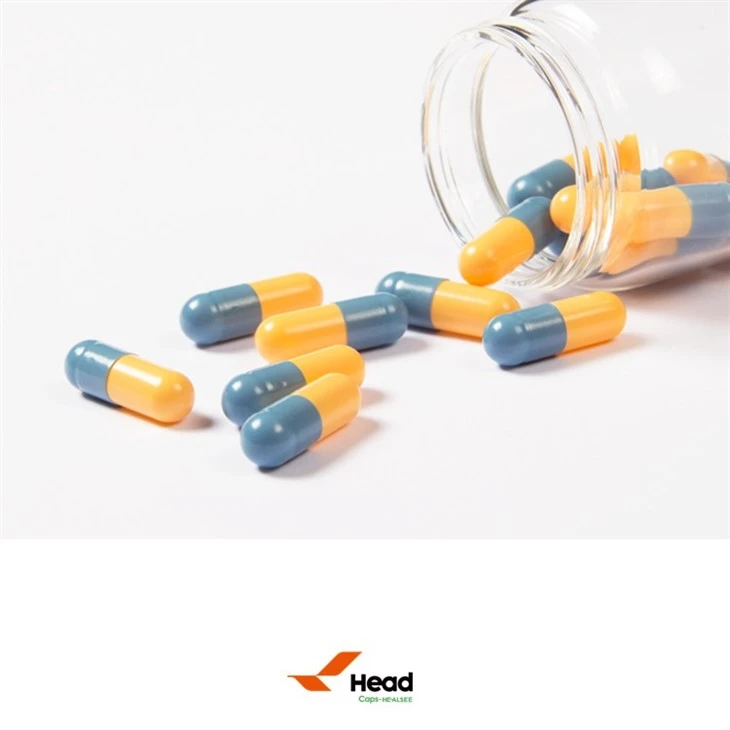
For consumers, it means that they can be more confident in the efficacy of the supplements they are taking. For example, if a consumer is taking a vitamin C supplement in a vegetable capsule, the air - tightness of the capsule helps to ensure that the vitamin C remains stable and retains its antioxidant properties until it is consumed.
In addition, vegetable capsules are a more sustainable option. As they are made from plant - based materials, they have a lower environmental impact compared to gelatin capsules, which are derived from animal sources. The combination of better air - tightness and sustainability makes vegetable capsules an attractive choice for both manufacturers and consumers.
Applications of Vegetable Capsules
The excellent air - tightness of vegetable capsules makes them suitable for a wide range of applications. In the nutraceutical industry, HPMC Capsules For Nutraceutical are commonly used to encapsulate vitamins, minerals, herbal extracts, and other dietary supplements. The air - tight seal helps to preserve the potency and stability of these products.
In the pharmaceutical industry, vegetable capsules are also gaining popularity. They can be used to encapsulate drugs that are sensitive to air and moisture. The precise control of the manufacturing process and the superior air - tightness of vegetable capsules ensure that the drugs are protected and delivered effectively to the body.
Conclusion and Call to Action
In conclusion, based on scientific evidence and practical experience, vegetable capsules are generally more air - tight than gelatin capsules. Their stable material properties, precise manufacturing process, and well - designed structure contribute to their superior air - tightness. This makes them an ideal choice for applications where the protection of the capsule contents from air and moisture is crucial.
If you are in the nutraceutical or pharmaceutical industry and are looking for high - quality, air - tight capsules, I invite you to contact me for more information. We can discuss your specific requirements and how our vegetable capsules can meet your needs. Whether you are interested in Empty Vegetarian Capsules Size 000, Plant-based Capsule Shell, or HPMC Capsules For Nutraceutical, we have a range of products to offer. Let's start a conversation about how we can work together to provide the best capsule solutions for your products.
References
- Journal of Pharmaceutical Sciences, "Comparison of the Stability of HPMC and Gelatin Capsules under Different Environmental Conditions"
- Research Report from Leading Pharmaceutical Research Institute, "Oxygen and Moisture Transmission Rates of Vegetable and Gelatin Capsules"
- Study on Capsule Manufacturing Processes, "Impact of Manufacturing Conditions on the Air - Tightness of Capsules"


