


Hey there! As a supplier of HPMC capsule shells, I often get asked this question: Are HPMC capsule shells resistant to microbial growth? Let's dive right in and explore this topic together.
First off, what are HPMC capsule shells? HPMC stands for Hydroxypropyl Methylcellulose. These capsule shells are a popular choice in the pharmaceutical and nutraceutical industries, and for good reason. They're made from natural cellulose, which is a plant - based polymer. This makes them suitable for vegetarians and vegans, and they also have some great properties when it comes to encapsulating various substances.
Now, let's talk about microbial growth. Microbes, like bacteria, fungi, and yeasts, are everywhere. They can grow on just about any surface if the conditions are right. Factors like temperature, humidity, and the availability of nutrients play a huge role in microbial growth. In the case of capsule shells, if they're stored in a warm, damp environment and have some organic matter on them, it can create a perfect breeding ground for these little critters.
So, are HPMC capsule shells resistant to microbial growth? Well, the short answer is yes, they have some level of resistance. HPMC itself is not a great source of nutrients for microbes. Unlike some other materials, it doesn't provide the kind of food that bacteria and fungi typically thrive on. The chemical structure of HPMC makes it relatively stable and less appealing to these microorganisms.

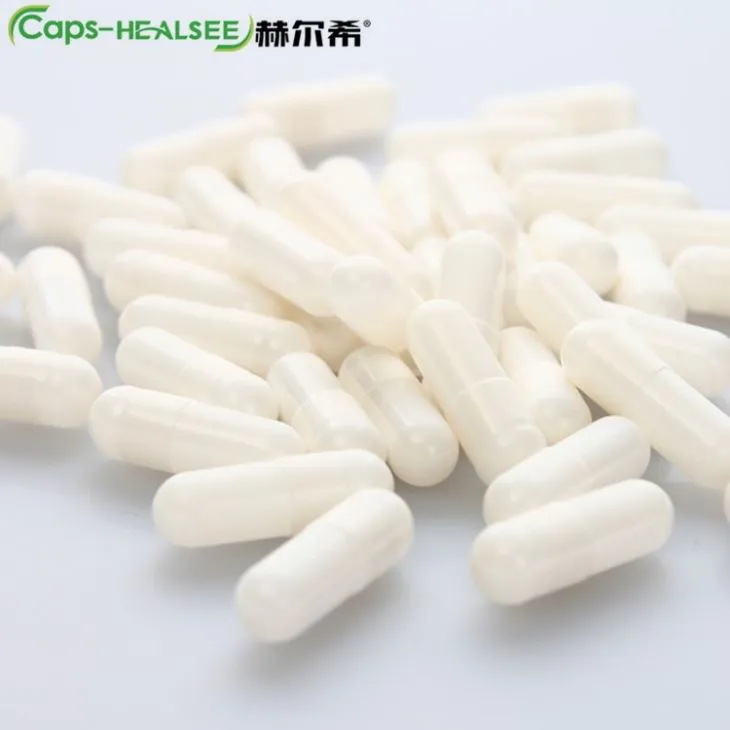
One of the key reasons for this resistance is the lack of easily digestible sugars and proteins in HPMC. Microbes need these substances to grow and multiply. Since HPMC doesn't have them in significant amounts, it becomes a less attractive option for microbial colonization.
Another factor is the manufacturing process. When HPMC capsule shells are produced, they go through a series of steps that include strict quality control and sterilization. This helps to remove any potential microbial contaminants right from the start. For example, the raw materials are carefully selected and processed in a clean environment. The capsules are then often treated with heat or other sterilization methods to ensure that they're as free from microbes as possible.
However, it's important to note that while HPMC capsule shells have some resistance, they're not completely immune to microbial growth. If they're exposed to extremely high levels of moisture and a large number of microbes for an extended period, there is still a risk. For instance, if you store your HPMC capsule shells in a place with high humidity, say in a basement that's prone to dampness, the moisture can create an environment where microbes can start to grow.
To maintain the resistance of HPMC capsule shells to microbial growth, proper storage is crucial. It's recommended to store them in a cool, dry place. A temperature - controlled environment, ideally between 20 - 25 degrees Celsius with a relative humidity of around 30 - 40%, is best. This helps to keep the capsules in good condition and minimizes the risk of microbial contamination.
Let's also consider the applications of HPMC capsule shells. In the pharmaceutical industry, they're used to encapsulate medications. The last thing you want is for a capsule to be contaminated with microbes, as it could affect the efficacy and safety of the drug. That's why the resistance of HPMC to microbial growth is so important. In the nutraceutical field, where they're used for things like dietary supplements, the same principle applies. Consumers expect a clean and safe product, and HPMC capsule shells can help to deliver that.
If you're in the market for HPMC capsule shells, we offer a great range of products. Check out our DR Veggie Capsules, which are perfect for a variety of applications. Our Empty Herb Capsules are also a popular choice for those looking to encapsulate herbal supplements. And if you need larger capsules, our size 000 capsules are available.
We understand that quality and safety are your top concerns. That's why we take every measure to ensure that our HPMC capsule shells are of the highest standard and resistant to microbial growth. We're constantly improving our manufacturing processes and storage facilities to keep our products in the best condition possible.
If you're interested in purchasing our HPMC capsule shells, or if you have any questions about their resistance to microbial growth or other aspects, don't hesitate to reach out. We're here to help you make the best choice for your business. Whether you're a small - scale supplement manufacturer or a large pharmaceutical company, we have the products and expertise to meet your needs.
In conclusion, HPMC capsule shells do have a good level of resistance to microbial growth, thanks to their chemical composition and proper manufacturing processes. But proper storage and handling are essential to maintain this resistance. If you want high - quality, microbe - resistant HPMC capsule shells, we're the supplier for you. Let's start a conversation about how we can work together to meet your capsule needs.
References
- "Microbial Contamination in Pharmaceutical Packaging Materials" - Journal of Pharmaceutical Sciences
- "Properties and Applications of HPMC in the Capsule Industry" - International Journal of Nutraceuticals and Functional Foods


